

Installing air conditioning is the solution to effective climate control in your home or business. You can choose the perfect unit to keep things cool in the summer and warm in the winter. Various factors must be considered when selecting and installing the best air conditioning unit suited to your space.
The average person may not know very much about installing air conditioning units. It can be overwhelming not knowing what type and kW to choose to ensure your home is cooled and heated efficiently. Air conditioning specialists are happy to discuss these options with you and help you consider other factors, including the unit’s refrigerant, ductwork, and air quality adjustment settings.
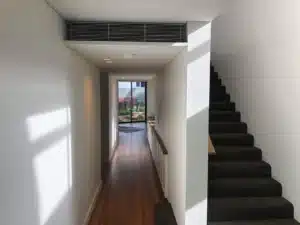
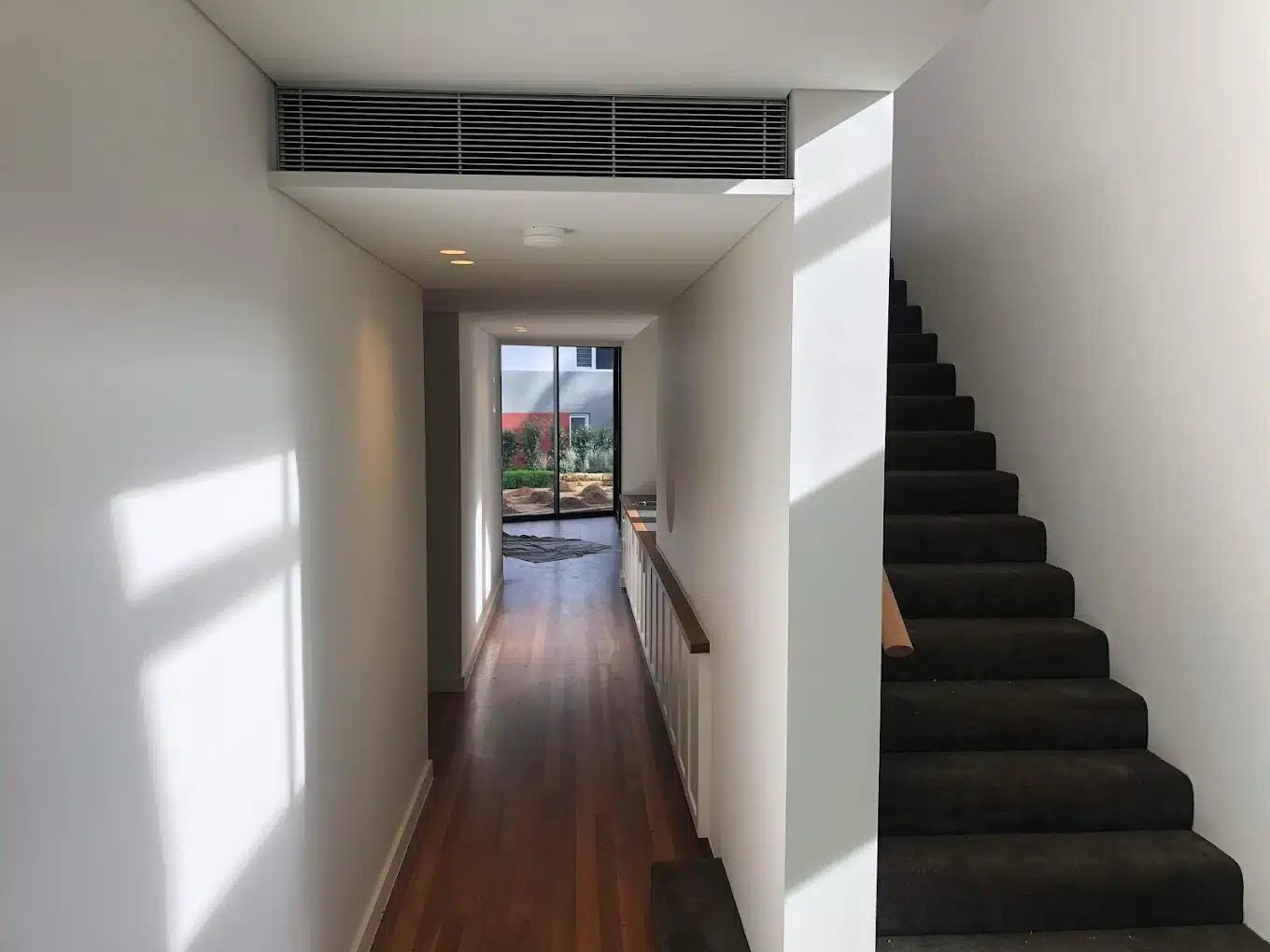
The first thing to consider when installing air conditioning is what type you need. Ask yourself if your home or business has existing ductwork. If so, you might opt for a ducted system that can reach every room.
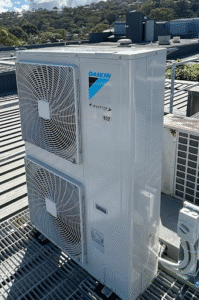
Another popular option is ductless systems, which still allow you plenty of control over how you cool or heat your home. Consider if you want a dedicated air-conditioning unit, as many modern models have reversible functions and can heat your home. This will keep the temperature perfect all year round.
Whatever type of system you choose, consider the size or kW. This doesn’t refer to how much the unit weighs but rather how much air it is capable of moving. The kW of the unit determines its output capacity and is an important factor in ascertaining the correct sizing of your new unit.
When installing air conditioning and choosing the size and output capacity, consider efficiency and longevity. Remember that a low output can mean the unit is constantly running, which uses up a lot of energy and is prone to failure in the hottest months of the year when you need it most.
Conversely, choosing the biggest unit you can find doesn’t necessarily mean it will be the most efficient option for cooling your home. Short cycling occurs when the unit stops and starts often, and this is a significant energy waste. The key is to find the perfect size in the middle—a unit that cools your home without running constantly but is alson’t unnecessarily large.
The size of the unit is not the only factor affecting its efficiency. The rating system used to measure how effectively a system works is known as the Energy Efficiency Rating (EER) or Coefficient Of Performance (COP). When choosing a new air conditioning unit, look for a minimum rating of 3 for larger and 5 for smaller systems. A more efficient rating will be kinder to the environment while powerfully controlling the climate of your home. An efficient unit ensures the minimum energy is used, working smarter and not harder.
Consider whether the air conditioning unit uses Freon (R22), a common refrigerant that can periodically require replacing. R22 is particularly unkind to the environment and is being phased out in Australia. Look for R410a refrigerant or the latest and most efficient refrigerant, R32. A technician can give you qualified advice on the different types of refrigerants and systems. This will be specific to the unit you choose and the size of your home.
Once you find the right sized system for your home, consider the different rated ductwork available. Different ratings exist for ductwork, and choosing the right one for your installation is essential. It’s important to choose a system with efficient ductwork, as ductwork that leaks or is of insufficient insulation rating will not cool or heat your home efficiently and will use up excess energy. Though ductwork can be fixed down the line if necessary, choosing a well-made and configured system will save you time and money.
Find out if installing air conditioning includes a system that purifies and filters the air before it circulates back into your home. Air quality is imperative to health and well-being, and homeowners often forget to consider this factor when investing in a new unit.
If you don’t want to waste time setting and adjusting the thermostat every day, you can choose a programmable option. This allows you to preset the temperature to ensure your comfort and will actually save you money. Constantly adjusting the unit’s thermostat is not only time-consuming but also counterproductive to the machine’s efficiency.
An upgraded air conditioning system will cool or heat your home more effectively and efficiently than an outdated system. It will also use less energy, which is better for the environment and your electricity bills. Certain types of coolant have higher environment-friendly ratings as well, and you can ask your technician about this.
When installing air conditioning, the unit must be installed correctly to ensure it continues to run at peak efficiency. Routine maintenance, such as inspections and filter changes, will keep the system working well and help prevent any issues from developing down the line. This preventative maintenance allows technicians to fix potential issues before they occur.
Installing air conditioning with the most up-to-date model is not the best solution in every scenario. Some units can benefit from routine upgrades, improving the system’s efficiency. However, a new system will likely last longer and work more effectively than repairing an older, outdated model.
Consider the wide variety of specifications installing air conditioning might have. You might still be unsure which option will be most effective and efficient for your home. Air conditioning specialists can help you decide and ensure you get the most out of your new system.



Please enter your details
below and we’ll contact you