
Air conditioning is a modern convenience that many of us rely on to stay comfortable in our homes. However, using an air conditioner can lead to allergic reactions and discomfort for some individuals. In this comprehensive guide, we will explore the relationship between air conditioning and allergies, identify common allergens found in indoor air, and provide practical steps to reduce allergy symptoms when using air conditioning. So, can you be allergic to air conditioning? Let’s find out.
Air conditioner allergies occur when individuals experience allergic reactions triggered by allergens in the air conditioning system or the air it circulates. While the air conditioner cannot cause allergies, it can contribute to the dispersion of allergens, such as dust mites, pet dander, pollen, mould, and volatile organic compounds (VOCs), which may trigger allergy symptoms.
Dust mites are microscopic organisms that thrive in warm and humid environments. They feed on dead skin cells and can be found in bedding, furniture, carpets, and curtains. When the air conditioner is turned on, it can circulate dust mite allergens, causing symptoms like sneezing, coughing, and itching.
Pet dander consists of tiny flecks of skin shed by animals such as cats and dogs. When the air conditioner is in use, these allergens can become airborne and spread throughout the house, leading to allergic reactions in susceptible individuals.
Pollen is a common allergen that can enter your home through open windows and doors. When the air conditioner is turned on, it can stir up and distribute pollen particles, triggering hay fever symptoms like sneezing, itchy throat and eyes, and a stuffy nose.
Mould and mildew thrive in damp and humid environments, making air conditioning systems susceptible to growth. When mould spores are dispersed into the air by the air conditioner, they can cause allergic reactions and respiratory symptoms in individuals with mould allergies.
Volatile organic compounds are gases emitted by various sources, including cleaning products, paints, and household items. When these chemicals are present in the indoor air, the air conditioner can circulate them, potentially triggering allergic reactions in sensitive individuals.
If you are allergic to air conditioning or the allergens it disperses, you may experience the following symptoms:
While completely eliminating air conditioner allergies may not be possible, several measures can help reduce symptoms and improve indoor air quality. Following these practical steps can create a healthier environment for yourself and your family.
The air filters in your air conditioning system are crucial in filtering out allergens and pollutants from the air. Regularly cleaning or replacing these filters is essential to maintaining good indoor air quality. It is recommended that you clean or replace the filters every 3-6 months, or more frequently during peak allergy seasons.
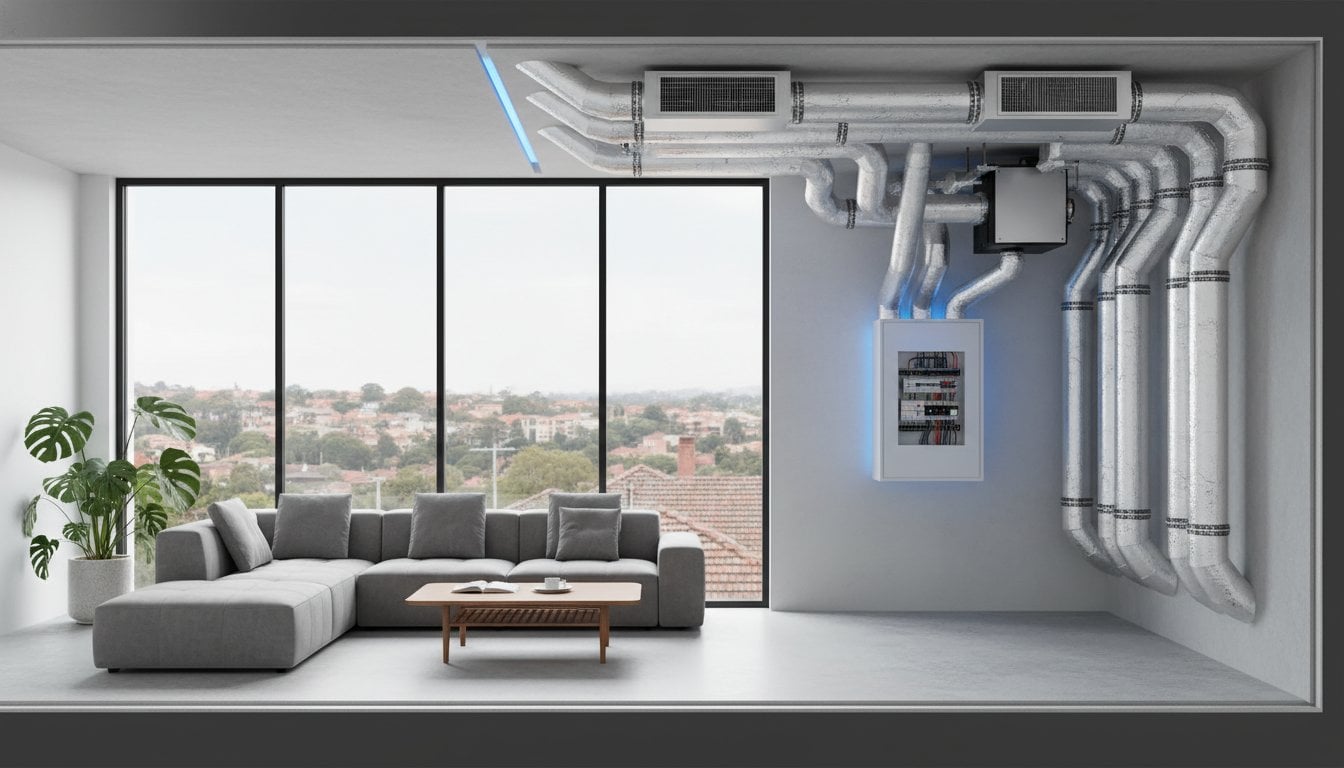
Dust, debris, and allergens can accumulate in the ducts and vents of your air conditioning system over time. Regularly cleaning these areas can help prevent the circulation of allergens in your home. Use a vacuum cleaner to remove any visible dust or dirt, and consider professional duct cleaning if necessary.
Maintaining optimal humidity levels in your home can help prevent the growth of mould and dust mites, two common allergens. Use a dehumidifier in damp areas, such as basements, and keep the relative humidity between 40-50%. This will create an inhospitable environment for allergens and improve air quality.
If you have pets, minimise their allergens in your home. Regularly groom and bathe your pets to reduce shedding and dander. Vacuum and frequently clean upholstered furniture, curtains, and carpets to remove pet hair and allergens. Consider designating pet-free zones in your home, such as bedrooms, to limit exposure to pet allergens.
Consider upgrading your air conditioning system’s high-efficiency particulate air (HEPA) filters. These filters are designed to capture smaller particles, including allergens, more efficiently than standard filters. HEPA filters can significantly improve indoor air quality and reduce allergy symptoms.
Proper ventilation in your home can help reduce the concentration of indoor allergens. Open windows and doors with low outdoor allergen levels to allow fresh air to circulate. Use exhaust fans in kitchens and bathrooms to remove moisture and prevent mould growth.
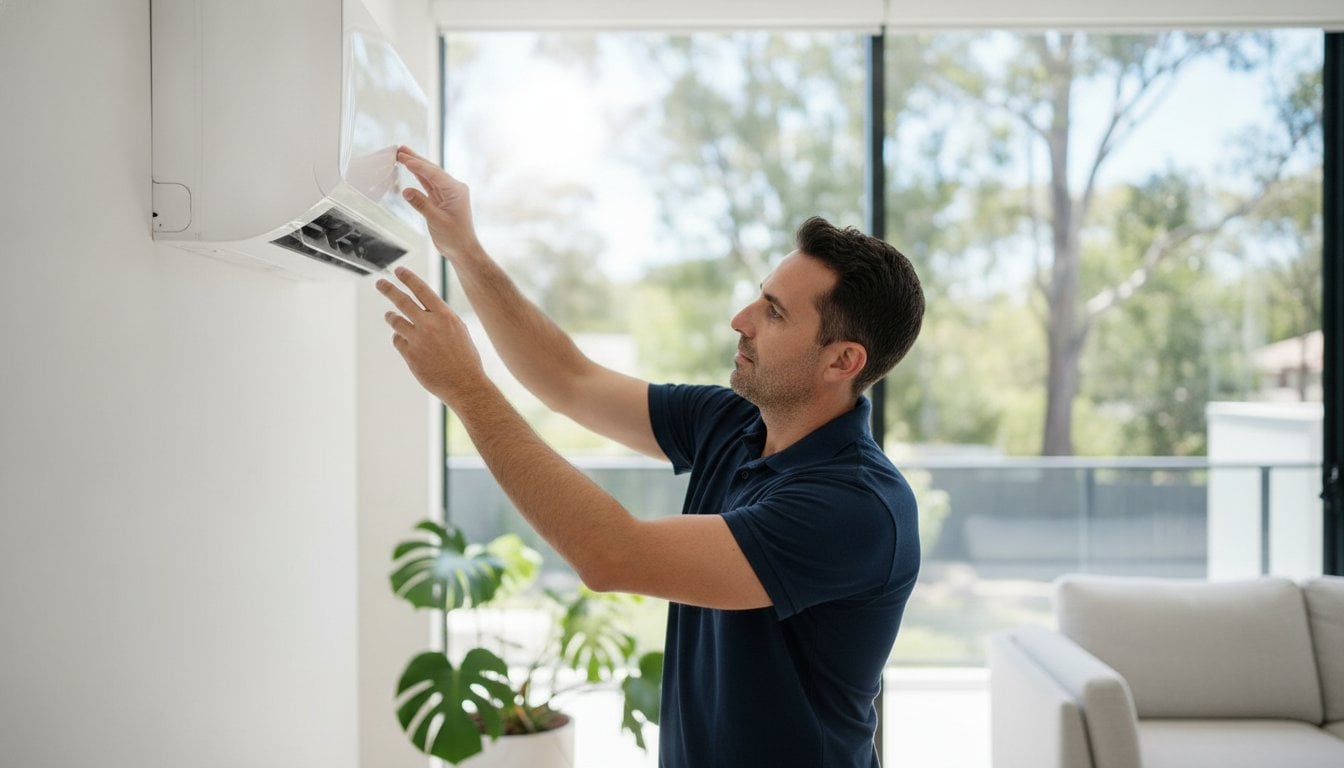
Routine cleaning and maintenance of your air conditioning system are essential to prevent the buildup of allergens and ensure optimal performance. Schedule regular air conditioning maintenance annually to clean and inspect your system, identify any issues, and ensure it operates efficiently.
Air purifiers can be effective in reducing allergens and improving indoor air quality. These devices use filters or electrostatic technology to capture airborne particles, including allergens, and can complement the filtration provided by your air conditioning system.
Ensure proper ventilation when using cleaning products or engaging in activities that release VOCs. Open windows or use exhaust fans to remove chemical fumes and prevent them from circulating in the air.
If your allergy symptoms persist or worsen despite taking preventive measures, consult with a healthcare professional or allergist. They can help identify specific allergens, provide personalised recommendations, and prescribe appropriate medications or treatments to manage allergy symptoms.
Everyone’s allergies are unique, and what works for one person may not work for another. It’s essential to find the combination of strategies that best suits your needs and helps alleviate your air conditioner allergy symptoms.
Peninsula Air is your AC maintenance expert for combating air conditioning allergies. Our air conditioning servicing ensures your systems remain clean and safe, allowing your HVAC unit to run more efficiently and cost-effectively.
While it is impossible to be directly allergic to air conditioning, the allergens in your air conditioning system and indoor air can trigger allergic reactions. Understanding common allergens, maintaining your air conditioning system, and implementing preventive measures can reduce allergy symptoms and improve indoor air quality. Take control of your environment and enjoy the benefits of air conditioning without the discomfort of allergies. Breathe easier and live comfortably in your home all year round.
Disclaimer: The information provided in this article is for informational purposes only and should not be considered as medical advice. Please consult a healthcare professional or allergist for personalised recommendations and treatment options for your specific allergies and symptoms.





Please enter your details
below and we’ll contact you