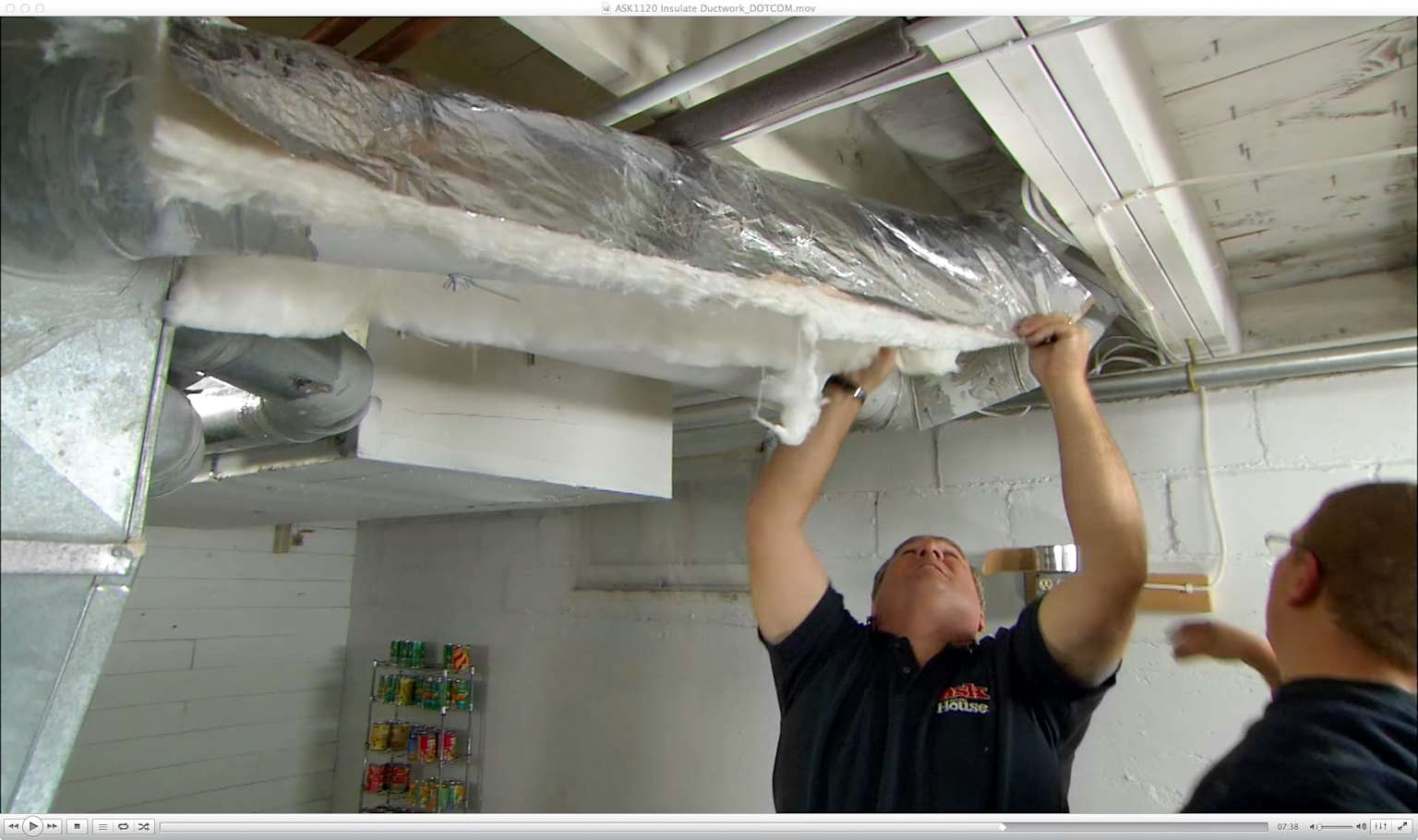
Why R1.2 Duct Is a Better Choice Than R1.0 or R0.6
When people compare ducted air conditioning systems, they often focus on the indoor unit, outdoor unit, or brand of equipment. What is often overlooked is the duct itself. The insulation wrapped around your ductwork has a major effect on how efficiently the system performs, especially when ducts are installed in hot roof spaces or other unconditioned areas. A better-insulated duct helps the air retain its temperature longer as it travels from the unit to each room, which can improve comfort and reduce energy waste.
That is why many homeowners and builders choose R1.2 duct instead of R1.0 or R0.6. While all insulated ductwork is not the same, the basic principle is simple: higher R-values provide greater thermal resistance, which helps reduce heat gain in summer and heat loss in winter. In practical terms, R1.2 duct can be a smart middle ground, offering noticeably better performance than lighter insulation levels without moving into the heavier, more specialised end of the market.
 What Does Duct R-Value Mean?
R-value is a measure of thermal resistance. The higher the R-value, the harder it is for heat to pass through the insulation. In ducted air conditioning, that matters because your conditioned air is often travelling through areas that are far hotter or colder than the rooms you are trying to keep comfortable.
For example, in summer, a roof cavity can become extremely hot. If the duct insulation is too light, the cooled air inside the duct starts absorbing heat before it even reaches the outlet. In winter, the opposite happens: warm air loses heat into the surrounding space. Better duct insulation slows that transfer down and helps the system deliver air closer to the temperature it was designed to supply.
- R0.6 provides basic insulation and the least thermal resistance of the three options discussed here.
- R1.0 provides an improvement over R0.6 and is commonly treated as a baseline level in many flexible duct products and code references.
- R1.2 provides more thermal resistance again, making it a stronger choice where ducts pass through ceiling voids, roof spaces, and other exposed locations.
Why R1.2 Duct Performs Better
The main benefit of R1.2 duct is that it helps preserve the temperature of the conditioned air as it moves through the system. That means less cooling is lost in summer and less heating is lost in winter, so the air conditioner does not have to work as hard to compensate. Over time, that can reduce energy consumption and improve comfort throughout the home or building.
Higher duct insulation can also help mitigate the impact of harsh roof-cavity temperatures on system performance. That is especially important in Australian conditions, where ceiling spaces can become very hot and place an extra load on ducted systems. Some technical references also note that increasing duct insulation R-values can reduce plant size requirements in larger projects, which highlights the real performance impact of better-insulated ductwork.
Another advantage is condensation control. While insulation alone is not the only factor, better-insulated ducts are generally less likely to reach surface temperatures that contribute to condensation in humid or temperature-sensitive roof spaces. In difficult environments, that extra insulation margin can make a meaningful difference to long-term reliability and ceiling-space moisture management.
R1.2 vs R1.0 vs R0.6
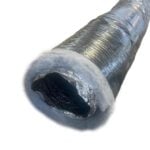 If you think of duct insulation as a barrier between conditioned air and the surrounding environment, the comparison becomes easier to understand. R0.6 is the lightest of the three and allows heat to move through it more easily. R1.0 improves that barrier, while R1.2 improves it further.
Numerically, R1.2 offers about 20% more thermal resistance than R1.0, and double the thermal resistance of R0.6 on a simple R-value basis. Real-world energy performance is not perfectly linear because system design, duct length, sealing quality, roof temperatures, and usage patterns all matter as well. Even so, the higher R-value gives you a better starting point for reducing heat transfer through the duct wall.
| Duct rating | Thermal resistance | Typical outcome |
|---|---|---|
| R0.6 | Lowest of the three | Higher temperature loss or gain through the duct, especially in exposed roof spaces |
| R1.0 | Improved over R0.6 | Better performance, but still less resistance than R1.2 |
| R1.2 | Higher again, around 20% above R1.0 | Better temperature retention, improved efficiency potential, and stronger performance margin |
Financial Examples
Exact savings will vary from one property to another, but it is useful to show how the numbers can stack up over time. The examples below are simple illustrations for use on websites and in proposals. They are not a formal engineering guarantee, but they do show why a modest increase in duct insulation can produce worthwhile long-term value.
Example 1: Smaller Home
Assume a home has annual heating and cooling electricity costs of $1,800. If lighter-insulated ducts allow more temperature loss through the roof space, the system may need to run longer to achieve the same indoor comfort. In this example, we assume R1.0 improves overall performance enough to save around 5% compared with R0.6, and R1.2 improves it enough to save around 7.8% compared with R0.6.
| Duct rating | Estimated annual HVAC cost | Saving vs R0.6 | Saving vs R1.0 |
|---|---|---|---|
| R0.6 | $1,800 | — | — |
| R1.0 | $1,710 | $90 | — |
| R1.2 | $1,660 | $140 | $50 |
Based on those figures, R1.2 saves about $140 per year compared with R0.6, or about $1,400 over 10 years, before accounting for electricity price increases. Even compared with R1.0, the extra saving is about $50 per year, which can help offset the higher upfront duct cost over time.
Example 2: Larger Home or Light Commercial Project
Now, assume a larger home or small commercial fitout with annual HVAC electricity costs of $4,500. Because larger systems often run longer and serve more rooms, the value of reducing ductwork losses becomes more apparent.
| Duct rating | Estimated annual HVAC cost | Saving vs R0.6 | Saving vs R1.0 |
|---|---|---|---|
| R0.6 | $4,500 | — | — |
| R1.0 | $4,275 | $225 | — |
| R1.2 | $4,140 | $360 | $135 |
In that example, choosing R1.2 over R0.6 saves about $360 per year, or roughly $3,600 over 10 years. If electricity prices increase over that period, the real dollar benefit may be higher again.
Code Requirements And Real-World Performance
Australian duct insulation requirements are shaped by the National Construction Code, which includes provisions for sealing and insulating supply and return ductwork. Historic Australian technical references show that the minimum required R-values vary depending on the climate zone, system size, and whether the duct is in a roof space, plant room, or other location.
That is important because minimum compliance is not always the same as best practical performance. In some situations, especially in roof spaces, choosing a higher insulation level than the bare minimum can improve energy efficiency and provide a stronger margin against heat gain, heat loss, and condensation risk. For many residential jobs, R1.2 is a sensible step up from lighter duct options while remaining practical and cost-effective.
Where R1.2 Makes The Most Sense
R1.2 duct is often worth considering when the ductwork runs through unconditioned roof spaces, when the home is larger, when comfort expectations are higher, or when the owner wants to reduce wasted energy over the life of the system. It is also a good option where there are long duct runs, because there is more opportunity for conditioned air to lose or gain heat before it reaches the outlet.
In short, R1.2 gives you more protection than R1.0 and substantially more than R0.6. That added insulation helps the system deliver air closer to the intended temperature, supports better overall efficiency, and can contribute to lower long-term operating costs.
Why Better Duct Insulation Is Worth Discussing In A Quote
For many customers, duct insulation sounds like a minor detail until it is explained properly. Once they understand that the ductwork is carrying expensive heated or cooled air through harsh ceiling conditions, the value becomes clearer. A small upgrade in insulation can help protect the performance of the whole system, not just the duct itself.
That is why including a short explanation in your proposals can be useful. It shows that the specification has been chosen for long-term performance, not just the lowest upfront cost. It also gives customers a practical reason to choose a better-quality installation.
Frequently Asked Questions
Is R1.2 duct better than R1.0?
Yes. R1.2 duct provides more thermal resistance than R1.0, which means it does a better job of slowing heat gain in summer and heat loss in winter. In practical terms, that can help ducted air conditioning systems deliver air closer to the intended temperature, especially when ducts run through hot roof spaces.
Is R1.2 duct worth the extra cost?
In many cases, yes. The upfront cost is usually higher than R1.0 or R0.6, but the extra insulation can improve efficiency, support better comfort, and reduce long-term running costs. For many homes and light commercial projects, that makes R1.2 a worthwhile upgrade.
What is the difference between R0.6, R1.0 and R1.2 duct?
The main difference is thermal resistance. R0.6 has the lowest insulation value of the three; R1.0 provides more protection; and R1.2 provides even more. The higher the R-value, the better the duct insulation resists heat transfer.
Does higher duct insulation reduce energy use?
It can. Better-insulated ductwork helps reduce temperature loss or gain as air travels through the system, which may reduce how hard the air conditioner needs to work to maintain indoor comfort. Actual savings vary depending on duct design, roof-space conditions, system size, and usage patterns.
Does R1.2 duct help in hot roof spaces?
Yes. Hot roof cavities can place additional stress on ducted air conditioning performance because conditioned air travels through a very warm environment. R1.2 duct gives a better insulation barrier than R1.0 or R0.6, which can help reduce these losses.
Can better duct insulation help reduce condensation?
In some cases, yes. Better insulation can help reduce the chance of duct surfaces reaching temperatures that contribute to condensation, particularly in humid or temperature-sensitive roof spaces. Condensation control also depends on factors such as vapour barriers, sealing quality, and the surrounding environment.
Is R1.2 duct required by code?
Code requirements vary depending on the building type, climate zone, and location of the ductwork. Australian requirements are guided by the National Construction Code and related technical provisions for duct insulation and sealing. In many cases, choosing a higher insulation level is about improving practical performance, not just meeting minimum compliance.
When should I choose R1.2 duct?
R1.2 duct is often a smart choice when ducts run through unconditioned roof spaces, where there are long duct runs, or where the owner wants better efficiency and long-term value. It is commonly chosen as a practical upgrade over lighter-insulated duct options.
Internal links:
- Ducted Air Conditioning Installation Sydney
- Daikin Specialist Dealer
- Regular Cleaning & Maintenance Ensures Efficiency
External references: