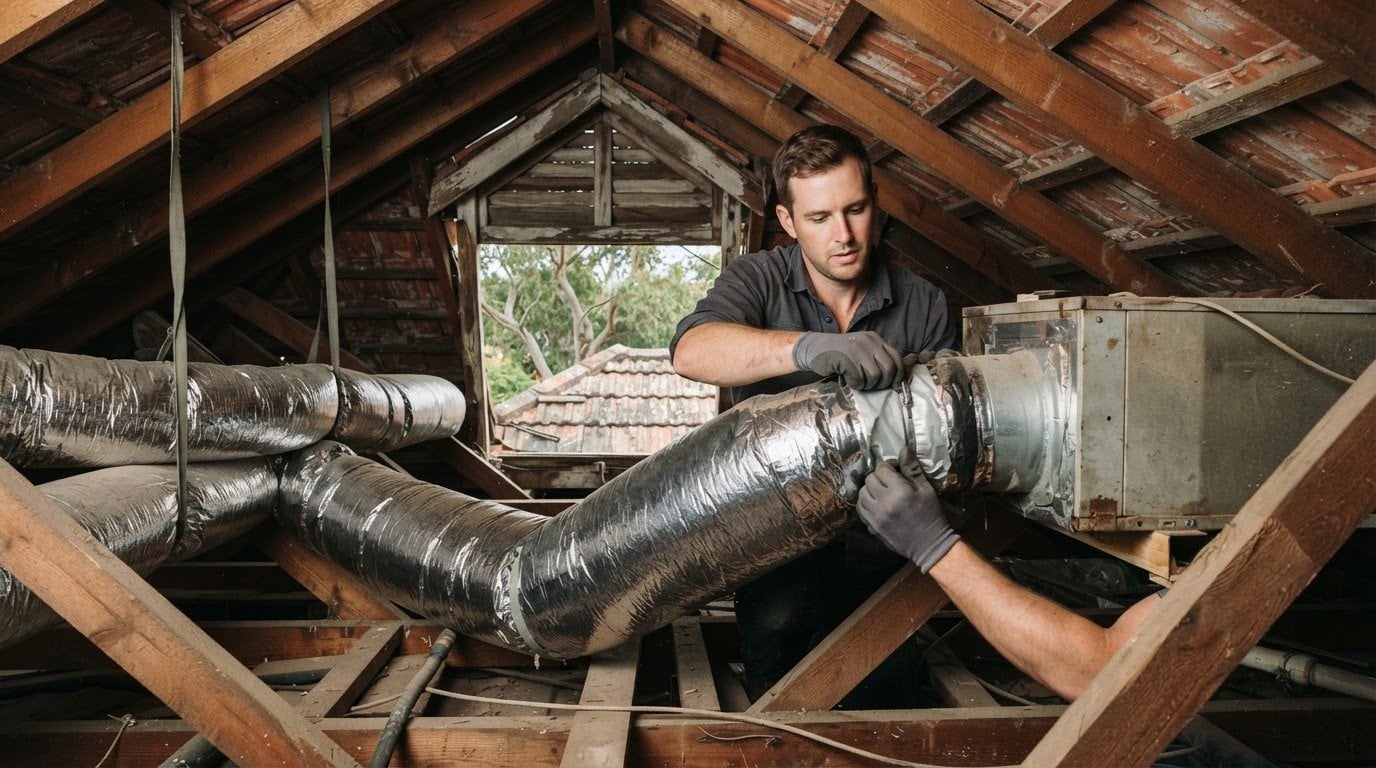

A damaged duct doesn’t automatically mean replacing the whole air conditioning system. Ductwork can be replaced while retaining the existing system when its key components remain suitable for continued use and the replacement ducts are compatible. For ducted aircon repairs on Sydney’s North Shore, the first step is identifying whether the fault lies in the ductwork, the equipment or both.
It makes sense to want a lasting fix without replacing sound equipment, especially when poor airflow or uneven temperatures affect comfort. A proper assessment checks duct runs, connections and system operation to identify the cause and establish whether a repair, partial duct replacement or broader upgrade is the sensible option.
This guide explains when duct replacement may be enough, what a repair assessment involves and which factors shape the work and its cost. You’ll also learn how repair and installation services support homes and commercial premises across Sydney’s North Shore, and what to expect when a system needs more than a straightforward duct repair. The aim is to make your options clear before you decide on the next step.
Sydney’s North Shore lies north of the CBD, with suburbs across both its lower and upper areas. Chatswood, Crows Nest and North Sydney are Lower North Shore examples; Hornsby is an Upper North Shore example. Service coverage across this region matters because travel distance and site access affect how a repair visit is planned. The broader Sydney air conditioning service area includes the North Shore.
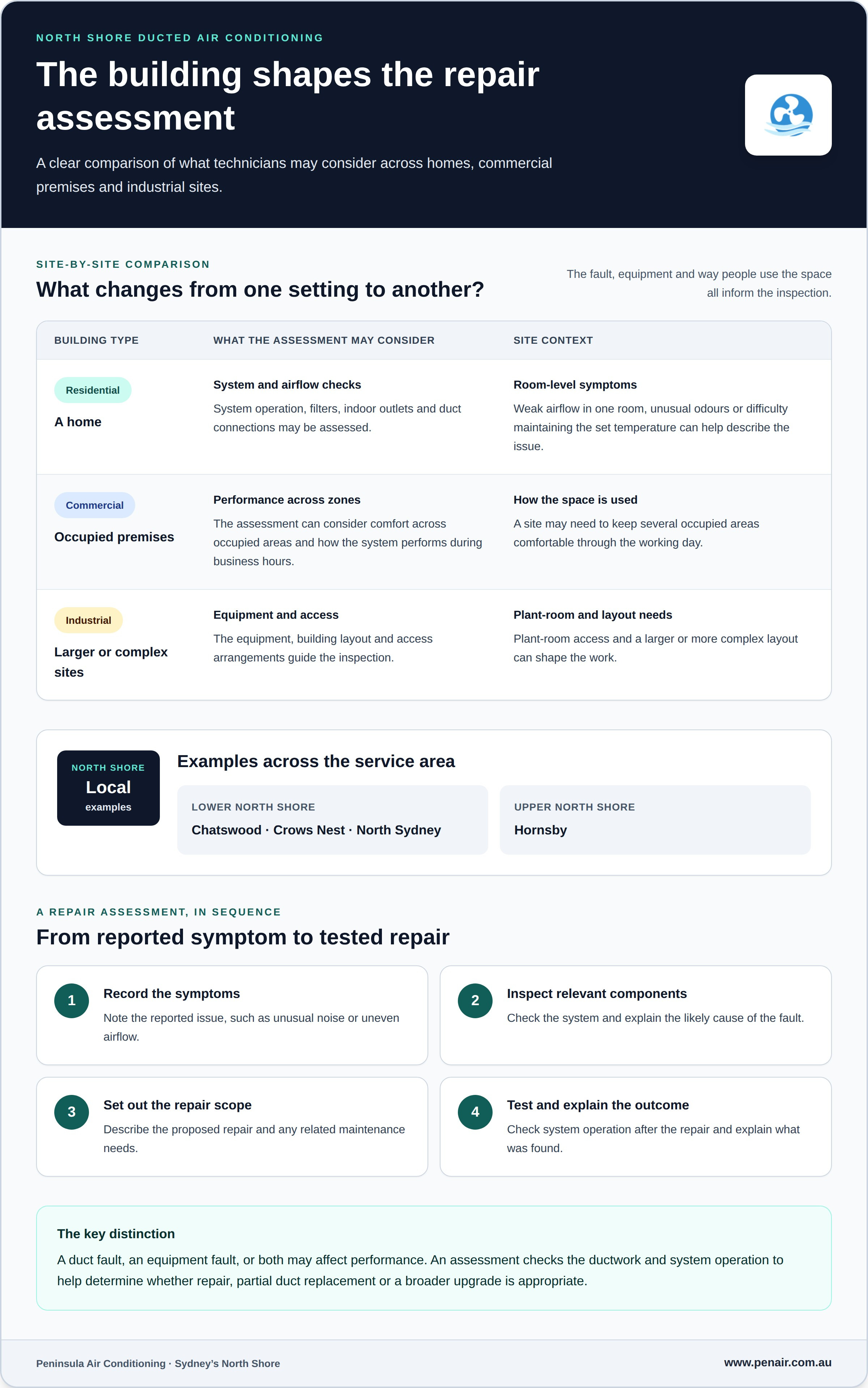
At a home in Chatswood, a technician may investigate weak airflow in one room, unusual odours or a system that struggles to maintain the set temperature. A commercial site in North Sydney may have different needs, such as keeping several occupied areas comfortable through the working day. At an industrial site near Hornsby, plant-room access and the building layout can shape the inspection. Each setting calls for an assessment of the equipment and how people use the space.
Routine servicing also depends on the site. In a residence, a technician can assess system operation, filters, indoor outlets and duct connections. For commercial premises, servicing can consider performance across occupied zones and business hours. Industrial sites may have larger or more complex layouts, so the equipment and access arrangements guide the work. These checks can identify developing airflow or performance issues before they become disruptive.
To compare local repair quotes and warranties, check that each quote describes the same fault, proposed work, parts and exclusions. Compare the written workmanship warranty separately from any manufacturer’s parts warranty, including its duration and the remedy if the repair fails.
Workmanship warranties and satisfaction guarantees are different. A workmanship warranty should explain which installation or repair work it covers, how long the cover lasts and what happens if the completed work has a fault. A satisfaction guarantee should state the promised outcome and how concerns are handled. Written terms make these differences clear, so compare them with the repair scope rather than relying on a broad verbal assurance.
Lower and Upper North Shore properties can present different practical conditions. In North Sydney, a unit in a multi-storey building may require careful coordination to access indoor equipment and outdoor components. At a freestanding home in Hornsby, roof-space access and the condition of existing duct runs may affect the inspection. In both cases, the technician needs to understand the fault, the building layout and how air reaches each room.
When arranging air conditioning service, provide the suburb, building type, system brand and a clear description of the symptoms. Mention whether the problem affects one room or several, and whether it changes during heating or cooling. Model details for a Daikin system can help identify the equipment before the visit. This information helps guide the assessment and shape a repair plan for the site.
Repair work depends on accurate fault-finding, suitable technical skills and care around connected equipment. For ducted systems in Sydney, licensing and insurance also matter when technicians access indoor equipment, ductwork or an outdoor unit.
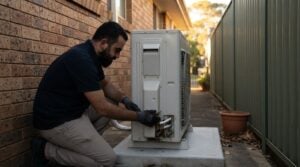
Technicians need practical knowledge of air conditioning components and how they work together. An assessment of a ducted system may involve tracing airflow, checking controls and inspecting connections between the indoor unit and ducts. The technician identifies the source of the fault, explains the repair and completes work suited to the equipment. This can restore comfort without overlooking a related issue.
Experience with the system type is useful because a fault can affect several areas at once. Weak airflow in one room, for example, may point to a duct or outlet problem, while inconsistent operation across the home may call for broader system checks. Skilled technicians consider symptoms alongside system behaviour rather than treating every complaint as the same fault. Their findings should make the recommended work clear.
PenAir’s repair team is fully licensed and insured. Licensing supports professional work on air conditioning equipment, while insurance provides an important layer of protection during a service visit. These credentials give homeowners and site managers a clearer basis for arranging repairs, whether the work is in a house, a commercial building or an industrial setting.
Licensed technicians can assess ducted equipment and carry out repairs within their professional scope. They can explain what they found, which components need attention and how the proposed work relates to the reported fault. Insurance matters because technicians work around valuable equipment and building spaces, including roof cavities and areas near outdoor units. Clear communication helps property owners understand the repair before work proceeds.
For a sound repair, the service process should connect diagnosis with the completed work. A technician can:
This approach helps keep the focus on the fault and the building’s comfort needs. It also gives property managers a useful record of what was assessed and repaired, particularly when several rooms or work areas rely on the same system. For professional help with a ducted system, contact the service team to discuss the issue and arrange repairs.
Repair visits and new installations involve different planning, from diagnosing a fault to coordinating equipment and site access. In Upper North Shore suburbs such as Hornsby, the building layout and roof access can shape the work. For ducted aircon repairs on Sydney’s North Shore, clear details about the property and system help prepare for an appropriate assessment.
Choose a licensed, insured air conditioning repair team with experience in ducted systems. The technician should explain the likely fault, proposed repair and any related work in plain terms. For North Shore properties, provide the suburb, building type and system symptoms. A written scope clarifies what the repair includes and whether the recommendation relates to ductwork, controls or equipment.
PenAir services homes and business premises across Sydney’s North Shore. For ducted aircon repairs, the technician should connect the reported problem with the inspection findings before recommending work. This helps explain why a repair is proposed and whether replacing a section of ductwork could address the fault without changing suitable equipment.
The timing of a repair visit depends on technician availability, the suburb, site access and the work required. Hornsby and North Sydney properties may need different travel and access planning. Describe the fault, system location and any building restrictions when arranging a visit. These details help the team assess the job and plan the next step for ducted aircon repairs on the North Shore.
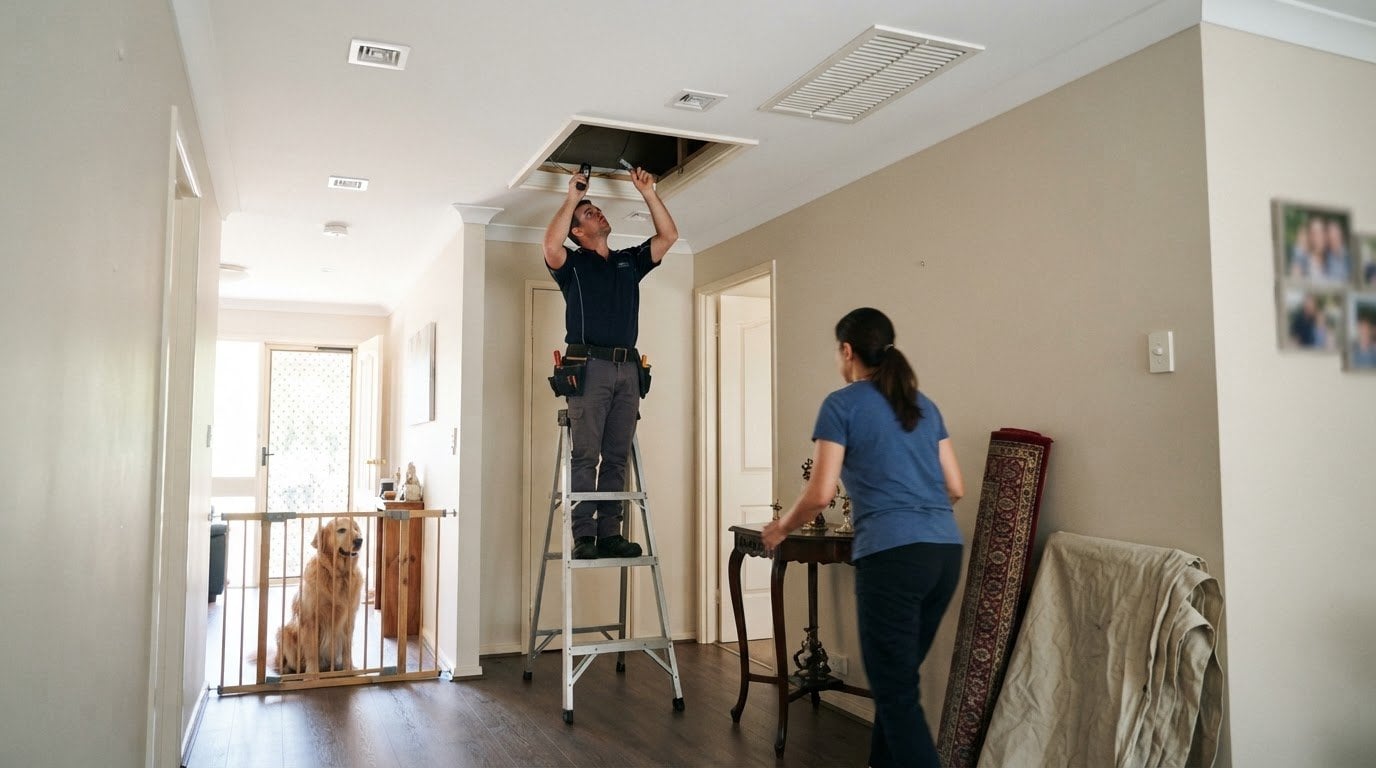
Before booking, limit checks to observations from normal access. Note whether the controller displays an error, whether air reaches the outlets and when the fault occurs. Don’t open equipment or enter a roof space. These observations help the technician prepare without putting you near electrical or mechanical components.
Call-out and after-hours fees vary according to the service terms, attendance time and work required. Review the stated conditions before arranging a visit, including whether charges differ outside standard hours.
Ducted air conditioning installation in the Upper North Shore takes approximately one to two days on average. Site access, building layout, equipment placement and ductwork requirements shape the schedule. A clear plan coordinates indoor and outdoor equipment and supports airflow across the rooms served.
An installation warranty should explain the workmanship covered, its duration, exclusions and the remedy for a covered fault. Keep the written terms with the installation documents. Equipment warranties are separate, so check which document applies to the installation work and which applies to the air conditioning unit.
NSW rebates or energy-efficiency incentives depend on the scheme’s eligibility rules and the work involved. Repairs and equipment upgrades may have different criteria, so establish whether the proposed work qualifies before factoring an incentive into your budget.
For a ducted system fault or installation planning, contact the service team with your suburb and a brief description of the issue.
Ducted air conditioning faults affect buildings differently, even when the symptoms sound similar. A residential bedroom with weak airflow, a busy office with uneven cooling and an industrial space with inconsistent temperatures each need an assessment suited to the system and its use.
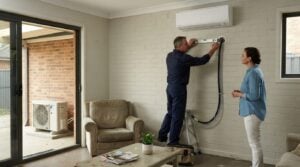
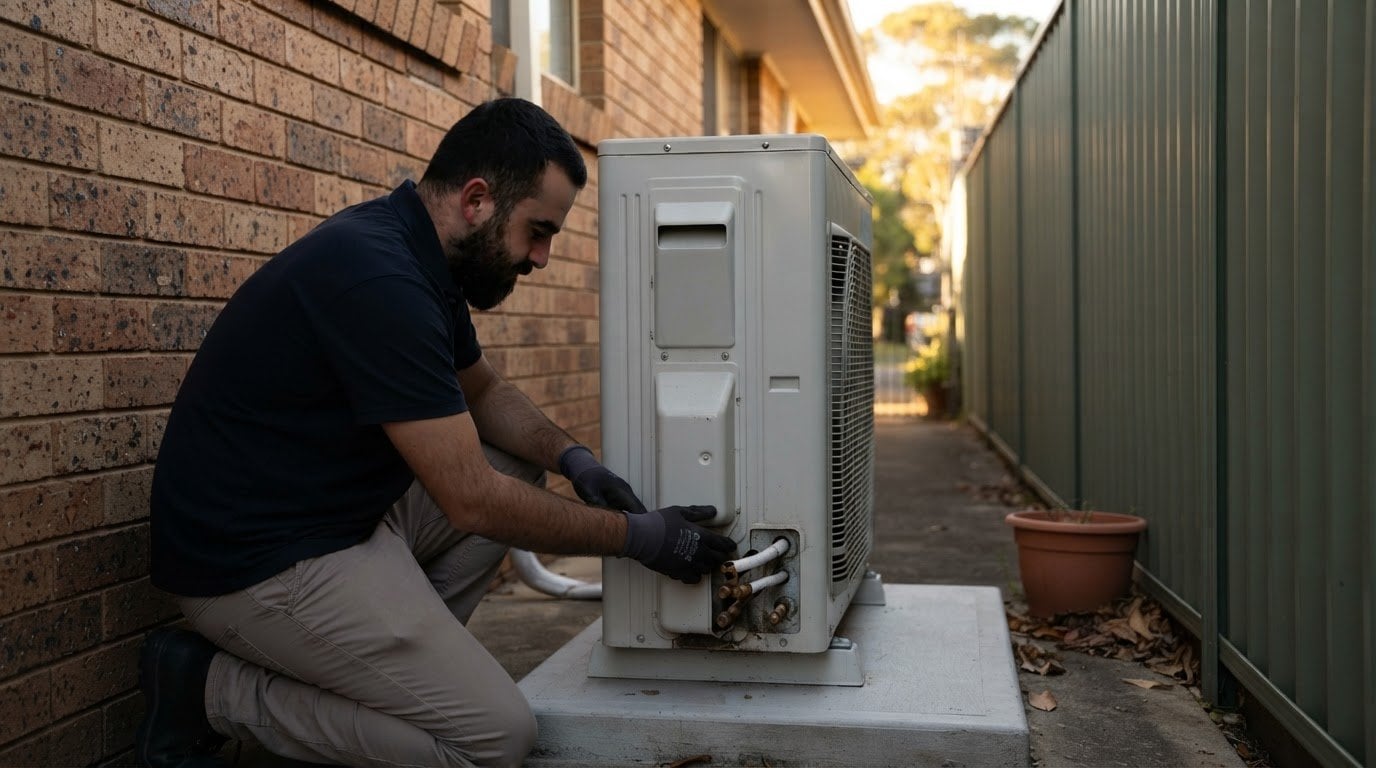
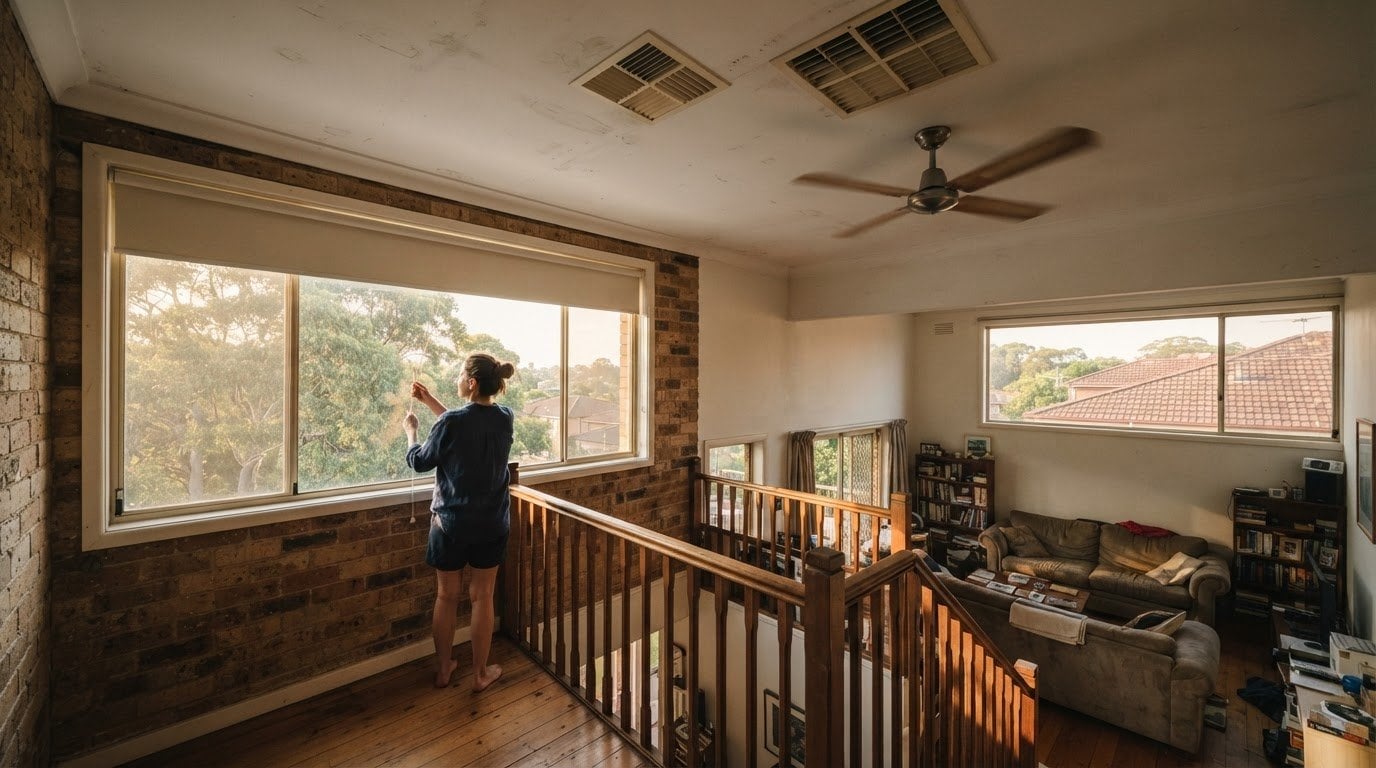
At home, a technician can trace whether poor airflow in one room comes from an outlet, duct connection or wider system fault. If several rooms are affected, the assessment can include controls, ductwork and equipment operation. The system’s make and model, such as a Mitsubishi unit, help identify the equipment being inspected. The repair should address the cause, not treat one uncomfortable room as the whole problem.
Commercial buildings have different patterns of use. An office, clinic or hospitality venue may need reliable temperatures across occupied areas, while some rooms are used more often than others. A technician can review the affected zones, operating schedule and reported symptoms, then assess whether the issue relates to zoning, controls, airflow or equipment. This makes the repair plan relevant to how people use the building.
Industrial sites can have large spaces, specialist work areas and equipment located away from occupied rooms. A temperature complaint may relate to one zone, several outlets or the whole system. The technician needs to know which areas are affected and when the change occurs. Access to the indoor equipment, duct routes and outdoor unit also shapes the inspection and repair approach.
System design matters across all three building types. A ducted system distributes conditioned air through ducts, while a split system uses a different configuration of indoor and outdoor equipment. If the fault is limited to ductwork, an assessment can establish whether that section needs repair or replacement. If the equipment is also affected, the technician can explain how the findings change the recommended work.
For a building manager, useful details include the rooms affected, changes in airflow, unusual odours and whether the issue appears during heating or cooling. A clear report helps the technician connect symptoms with the site layout. For example, airflow loss in one office differs from a fault affecting several zones throughout a residential property.
Efficient repairs to residential, commercial and industrial systems start with matching the diagnosis to the building’s use. A similar symptom does not always call for the same repair. A sound assessment considers ductwork, controls, equipment, zoning and access before recommending work.
Arrange a ducted air conditioning repair assessment for your building.
Peninsula Air Conditioning (PenAir) provides professional diagnosis, repair and ongoing care for ducted systems. Its ducted systems, repair, service and maintenance offerings support homeowners and property managers dealing with faults, uneven airflow or equipment that needs attention. If ductwork is damaged but the main equipment remains suitable, an assessment can establish whether replacing the affected ducts is a practical alternative to replacing the whole system.
PenAir also offers split systems for spaces where a different air conditioning setup better suits the property. The right next step depends on the existing equipment, building layout and fault. Contact Peninsula Air Conditioning (PenAir) to discuss your ducted air conditioning needs.
A repair decision doesn’t have to start with replacing everything. For ducted aircon repairs on the North Shore, a clear assessment can help you understand the fault, the work involved and whether your existing system can remain in service. This gives you a practical basis for planning, whether you’re managing comfort at home or across a worksite.
Peninsula Air Conditioning (PenAir) provides ducted systems, service and maintenance, and split systems for properties that suit a different setup. Share the symptoms, your suburb and details about the affected rooms so the team can understand what you need and arrange an assessment.
Contact Peninsula Air Conditioning (PenAir) to discuss the next step for your air conditioning. A well-informed repair plan can make it easier to move towards consistent comfort with confidence.
Yes. Damaged ductwork can be replaced while retaining the air conditioning equipment if that equipment remains suitable and compatible with the new ducts. For example, a disconnected or deteriorated duct run may be the main problem, while the indoor and outdoor units still operate properly. A technician assesses duct condition, system performance and airflow requirements to determine the repair scope. Replacing ducts alone won’t resolve a separate equipment fault.
A correctly installed air conditioner should not need re-gassing as routine maintenance. Refrigerant circulates through a sealed system, so the need to add refrigerant can indicate a leak or another fault requiring diagnosis. Simply adding refrigerant without finding the cause may not solve the underlying problem. If cooling drops noticeably or the unit behaves unusually, arrange a professional inspection rather than treating re-gassing as a regular service task.
A wet ceiling near a ducted unit can result from condensation, a blocked condensate drain, leaking ductwork or a roof leak. The water’s location alone doesn’t identify the cause, as moisture can travel before appearing on the ceiling. Note whether the wet patch grows while the air conditioner runs, and tell the technician where it appears. Avoid opening ceiling cavities. An inspection can trace the source and help prevent further damage.
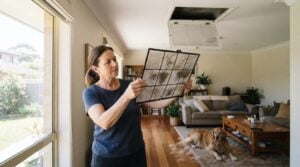
It can, if a damaged, disconnected or leaking duct restricts cooled air to those rooms. If airflow is weak throughout the property, the cause may instead involve a filter, control setting or equipment fault. Indoor-unit filters generally need cleaning every fortnight. A technician can compare airflow at affected outlets with system operation, then establish whether duct repairs alone will address the cooling problem or further work is needed.
Common warning signs include uneven airflow, rooms that don’t reach the set temperature, unusual noises and unpleasant odours. A faulty compressor can also affect system operation. Note which rooms are affected and whether symptoms appear during heating, cooling or both. This information helps distinguish a local duct or outlet issue from a fault affecting the wider system. A professional inspection can pinpoint the cause.
Repair is often appropriate when the fault is isolated and the rest of the system works as intended. Replacement becomes a stronger option when equipment has recurring faults, performance problems across several areas or damage affecting multiple components. The assessment should consider the system’s condition, repair scope, ductwork compatibility and how reliably it meets the building’s needs. A technician can explain the findings so you can weigh repair against a new system.