
The counterintuitive answer is that ducted air conditioning isn’t automatically the best fit for every North Shore property. Ducted air conditioning can suit homes and businesses that need comfort across multiple rooms, while split systems can be a more economical option when only selected spaces need conditioning, as they require less labour and install faster. The right choice depends on the building, the rooms in use and the comfort you want throughout the property.
It makes sense to compare more than the upfront installation: layout, day-to-day use and local conditions all influence which system will work best. Across Sydney’s Upper North Shore, buildings generally need more cooling and heating than those on the Lower North Shore. Near the coast, salt and sand can also affect air conditioning components.
This guide explains how ducted, split and multi-split systems suit residential and commercial spaces, what to consider before choosing, and how installation, maintenance and repairs fit in. You’ll find practical factors to weigh, from room coverage and noise to the needs of your North Shore property.
The best system depends on the property’s layout, the rooms in use and the local climate. Across Sydney’s North Shore, ducted and split systems suit different installation needs in homes and offices.
A ducted system distributes conditioned air through ducts to outlets in multiple rooms. It can suit a home or office where consistent climate control across several areas matters. Before choosing, consider the roof or ceiling space for ductwork, the location of the outdoor unit and which rooms need coverage. Explore the practical details of ducted air conditioning installation when comparing whole-property options.
Ducted air conditioning can condition multiple rooms through a central system, while a split system targets a specific room or area. Split systems generally cost less to install because they require less labour and time. Compare the rooms you need conditioned with the equipment and ductwork each option requires. Buildings on the Upper North Shore generally need more cooling and heating than those on the Lower North Shore.
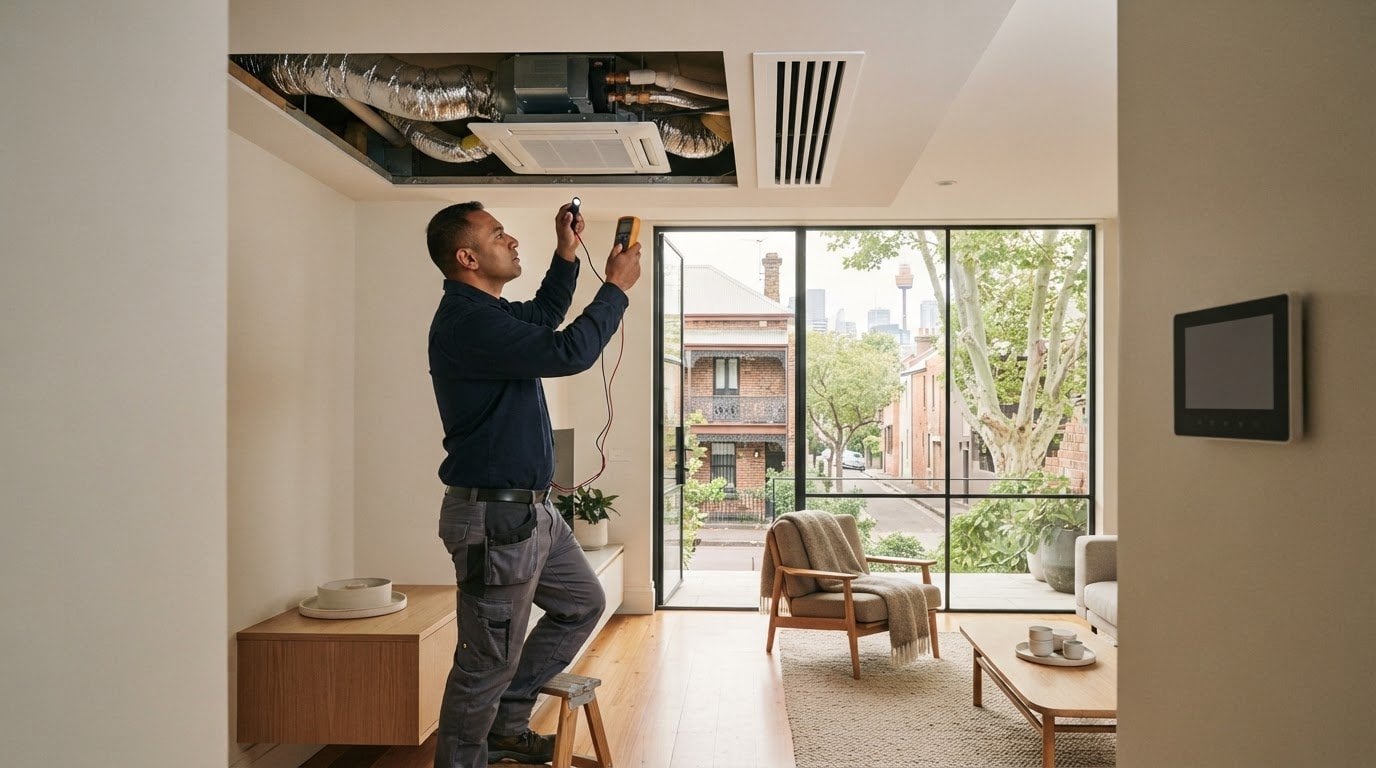
For ducted air conditioning on the North Shore, look for an installer who assesses the property before recommending equipment. A site-specific plan should cover room coverage, duct routes, outdoor-unit placement and the work involved. These details matter in established homes and offices alike, where ceiling space and building layout shape the installation.
Council approval is a planning matter, separate from choosing a system. Before work begins, establish whether the proposed outdoor unit, duct route or building changes require local approval for your property. The design and its effect on the site are important considerations.
Rebates in NSW depend on the programs currently available and their equipment eligibility rules. Review the active program conditions before choosing a system, as equipment type and installation details can affect eligibility.
Installation time depends on the building layout, access and scope of work. The process usually starts with an assessment and a plan for equipment placement, duct routes and room coverage. The system is then fitted and connected, followed by checks to confirm it operates as intended. An office may need a different plan from a home with limited roof access.
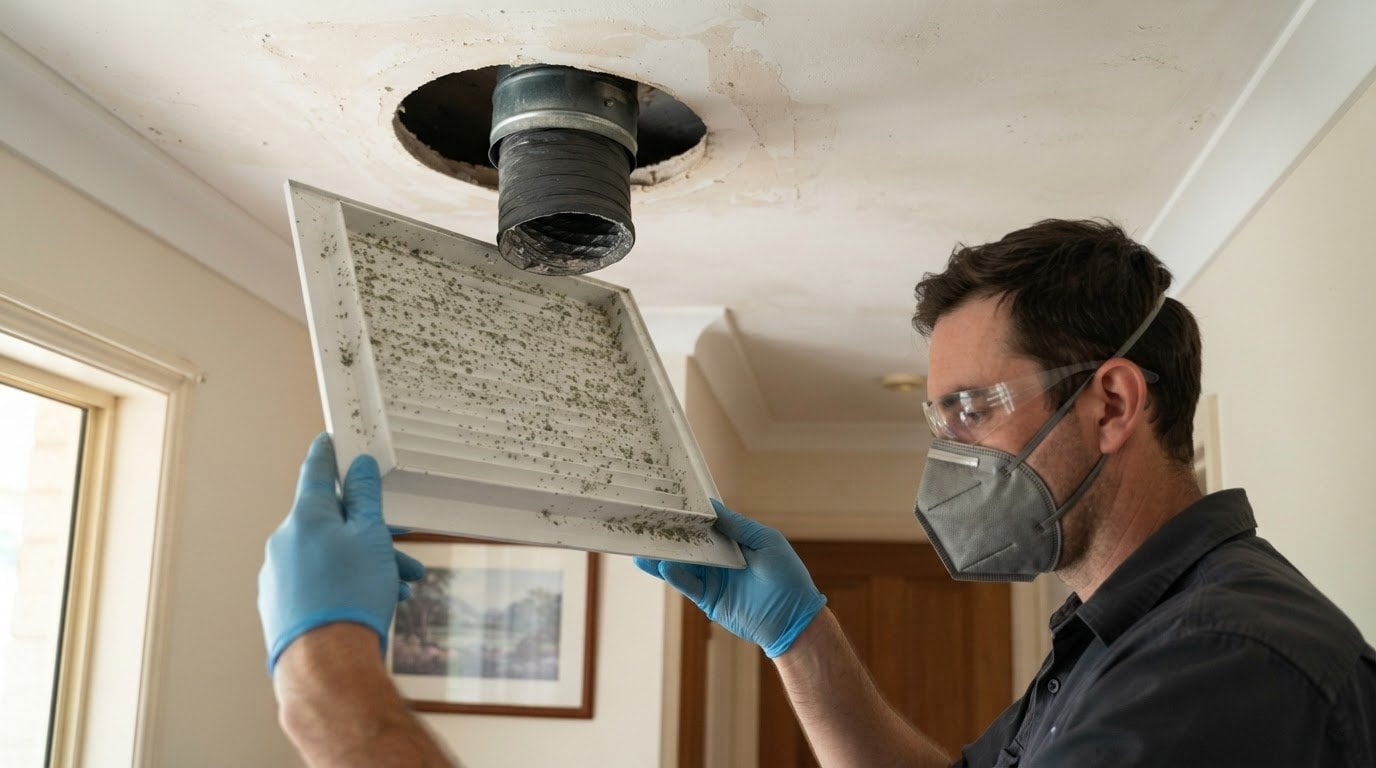
For repairs or maintenance, note the symptoms, such as uneven airflow or reduced cooling, and identify the rooms affected. Regular maintenance can support efficient operation and help identify faults. When booking a repair or service, check for the ARC tick. Coastal salt and sand can damage metal coils and other components, so factor the property’s location into maintenance planning.
Pymble is on the Upper North Shore, but needs vary from one property to another. A home, office and coastal property may each call for different installation or maintenance planning. If you’re in Sydney, start by noting the suburb, property type and rooms affected. These details help clarify whether you need installation, servicing or a repair.
The Upper and Lower North Shore also have different heating and cooling demands. Buildings on the Upper North Shore generally need more heating and cooling than those on the Lower North Shore. The building itself matters as much as its suburb. Note whether it has multiple levels, which rooms are used daily and where temperature differences are most noticeable.
Service planning across Greater Sydney should account for the site’s practical needs. A Pymble home with uneven airflow may need a different assessment from a small office with one affected room. Before arranging installation or repair, note the suburb, system type, symptoms and any recent changes. Include the manufacturer if you know it. For example, use the model details on a Mitsubishi unit’s label rather than relying on memory.
Maintenance helps equipment operate efficiently and can identify faults before they disrupt comfort. Note changes such as unusual sounds, weak airflow or rooms that no longer reach the selected temperature. This gives a technician a clearer starting point. For a residential system, describe when the issue occurs, such as during regular evening use or after the unit has been running for a while.
North Shore properties also vary in their exposure to local conditions. Salt and sand in coastal air can damage metal coils and other components. If your property is near the coast, mention this when describing the system’s location and service history. It helps put the equipment in context without assuming every suburb has the same maintenance needs.
Useful details to prepare include:
These notes make an enquiry about air conditioning services across Sydney more specific. For help with a North Shore property, send an enquiry about your air conditioning needs with the suburb and system details.
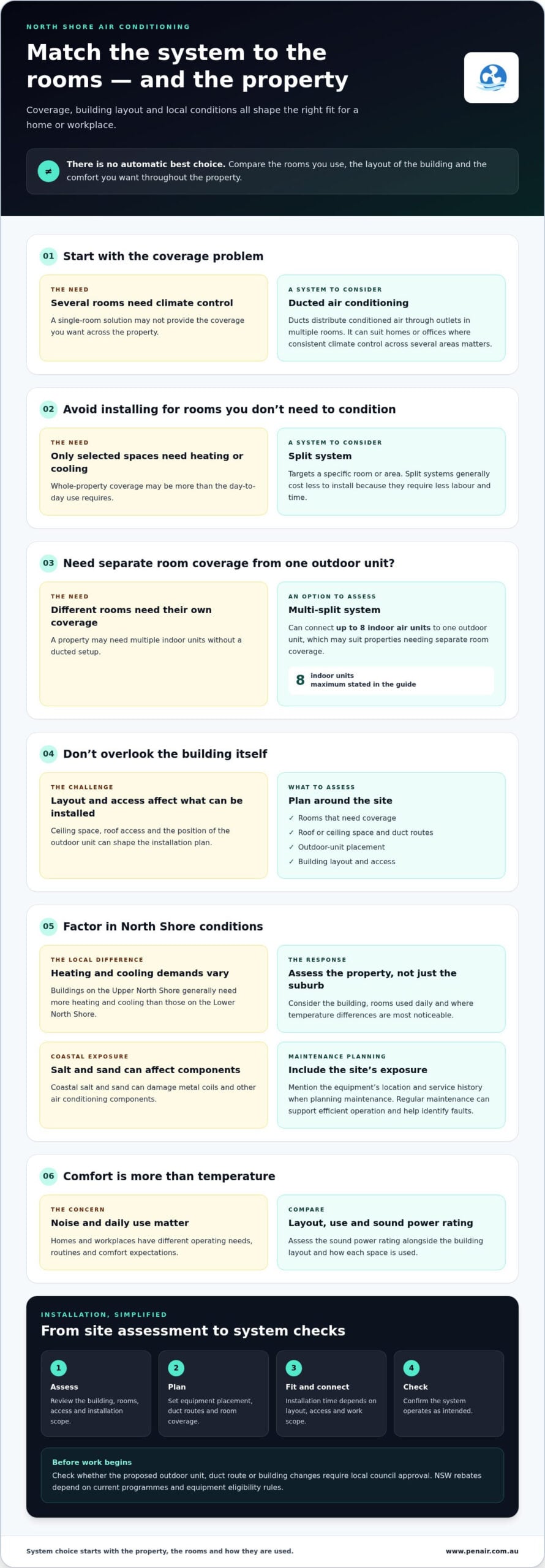
Match the system to the rooms in use, the building layout and daily routines. For North Shore homes and workplaces, compare coverage and installation requirements alongside comfort and noise.
In a detached home, ducted air conditioning can supply several rooms through outlets connected to a central system. An apartment may have less space for ductwork or outdoor equipment, so assess possible installation locations first. List the rooms that need cooling, how often they’re occupied and whether individual room control matters. These details help narrow the options for an existing property or a new build.
Compare air conditioning models based on how well they suit your property, not on the brand name alone. If noise matters near bedrooms, work areas or neighbours, check the sound power rating in dBA. Consider outdoor-unit placement and access for future servicing, too. A practical maintenance plan supports reliable operation over time.
There’s no single capacity figure that suits every home. Choose ducted capacity based on floor area, ceiling height, orientation, insulation, glazing and room use. A room-by-room assessment can account for differences, such as a sunny living area and a shaded bedroom. Share these details during planning so the selected unit can meet the home’s heating and cooling needs.
System type matters too. A split system can target one room, while a multi-split system connects multiple indoor units to one outdoor unit. Multi-split systems can connect up to 8 indoor air units, which can suit a home needing separate room coverage. Evaporative cooling uses water evaporation to cool air, so consider whether its operating approach suits your property.
For a new build, plan duct routes and outlet positions while developing the layout. In an existing home, assess roof or ceiling access, available duct space and outdoor-unit placement. The ducted air conditioning North Shore homes need depends on these site details, not simply the number of rooms.
Use this checklist to compare options:
When considering ducted air conditioning on the North Shore, weigh capacity, room coverage, installation constraints and ongoing care together. This turns a broad system choice into a decision tailored to the property.
Homes and workplaces rarely follow the same daily pattern. Residential climate control often centres on comfort in the evenings, overnight and at weekends, while commercial spaces may need heating or cooling during business hours. For a North Shore property, list when each area is occupied. This schedule helps shape zoning, operating times and the balance between heating and cooling.
At home, consider how people move between living areas, bedrooms and work-from-home spaces. Ducted systems can distribute conditioned air across several rooms, while separate systems can suit areas with different use patterns. For example, a household might prioritise living areas during the day and bedrooms at night. Room-by-room planning helps avoid treating every part of the home as if its needs were identical.
Commercial sites need a different assessment. An office, retail space and customer-facing reception area can each have distinct occupancy and comfort requirements. Map the work areas, meeting rooms and shared spaces, then note where people gather and when those rooms are used. A meeting room used intermittently may need a different control approach from a continuously occupied workspace.
Building constraints matter in both settings. For an existing home or office, note available ceiling or roof space, current equipment locations and access limits before planning installation. In a new build, discuss duct routes and outlet positions while the layout is still being developed. These steps help technicians assess how climate control can fit the building, rather than applying the same design to every property.
Compare equipment by its intended use, controls and ongoing service needs, not by brand name alone. Daikin is one manufacturer to consider, but the system still needs to suit the site and its occupants. Ask for a clear explanation of how the proposed configuration will serve each area. A sound plan connects the equipment choice to the building layout and daily use.
Before arranging work, prepare a short site brief:
Those details help frame a useful discussion about residential or commercial requirements. For a property-specific conversation, contact the team about your air conditioning needs.
Peninsula Air Conditioning (PenAir) installs ducted systems for homes and businesses seeking whole-property climate control. The team can plan an installation around the building layout and the rooms requiring coverage. As an authorised Daikin Specialist Dealer, PenAir can also help you choose a system suited to your property.
If ducted air conditioning isn’t the right fit, split and multi-split systems can condition selected rooms instead. PenAir also provides service and maintenance for existing systems. Share your suburb, property type and comfort requirements to start a practical discussion about the next step.
Contact Peninsula Air Conditioning (PenAir) to discuss ducted air conditioning for your property.
Turn your preferred system into a clear plan for the property. Before taking the next step, consider what matters most: comfort in particular rooms, a consistent indoor climate or a system that suits your home or workplace routine. For ducted air conditioning on the North Shore, discussing the building and your priorities can help shape a practical plan.
Peninsula Air Conditioning (PenAir) can discuss Ducted Systems, Split Systems and Service & Maintenance to match your needs. Bring questions about your current system, the areas you want conditioned and the outcome you’re looking for. This gives the conversation a useful starting point, whether you’re planning an installation or ongoing care.
Choose the option that suits how you use your space, then take the next step at your own pace. Contact Peninsula Air Conditioning (PenAir) to discuss your requirements and move towards a more comfortable indoor environment.
The installation price depends on the property and system design, and is provided after a quote request. Key factors include the areas to be conditioned, building layout, installation access and equipment selected. For example, a home requiring coverage across several levels may need a different design from a single-storey layout. A site-specific quote gives you a clearer basis for planning.
Choose a brand and system size by matching the equipment to your home’s requirements, rather than relying on the brand name alone. Daikin systems are available through an authorised Daikin Specialist Dealer. Ask how the proposed capacity relates to the spaces being conditioned and how you’ll use them. A household using several areas throughout the day may need a different configuration from one conditioning fewer rooms.
Running costs depend on how often the system operates, which areas it conditions and the home’s thermal performance. Compare energy-efficiency information for the specific models you’re considering, then factor in your expected use rather than relying on a general estimate. Regularly conditioning several zones can involve different usage from conditioning selected areas only. Maintenance and clean filters also support efficient operation over time.
Ducted systems condition more than one room or area, while a split system provides cooling or heating for a specific area. A split system may suit a home where comfort is mainly needed in one living room or bedroom. Ducted air conditioning may be a better fit if you want coverage across several spaces. Consider how you use each room and whether you want one area or several conditioned.
Ducted air conditioning may suit older homes and apartments, with the building layout shaping the installation plan. Roof or ceiling access, space for duct routes and a suitable outdoor-unit location are important factors. In an older home, existing structural features may affect outlet placement. In an apartment, space for equipment and ductwork can influence which system configuration is practical.