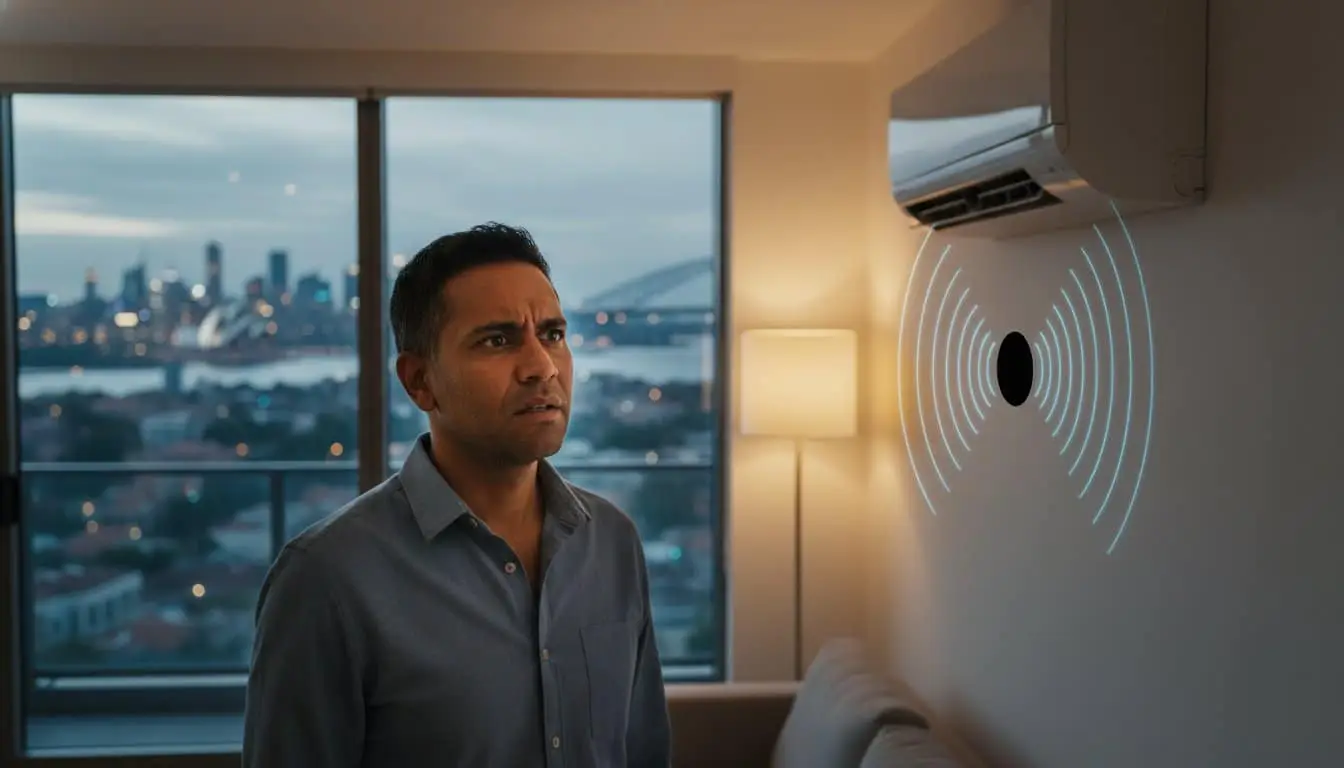

If you live in a two-storey home, you’ve probably noticed the same pattern every summer. Downstairs feels comfortable, but upstairs is warmer, stuffier and harder to cool. Bedrooms can feel uncomfortable at night, hallways hold heat, and the air conditioner seems to be working without fully solving the problem.
This is one of the most common comfort issues in Sydney homes. It doesn’t always mean your air conditioning system is faulty. In many cases, it comes down to how heat builds inside the home and whether the system is set up to manage it properly.
The good news is there are practical ways to improve it.
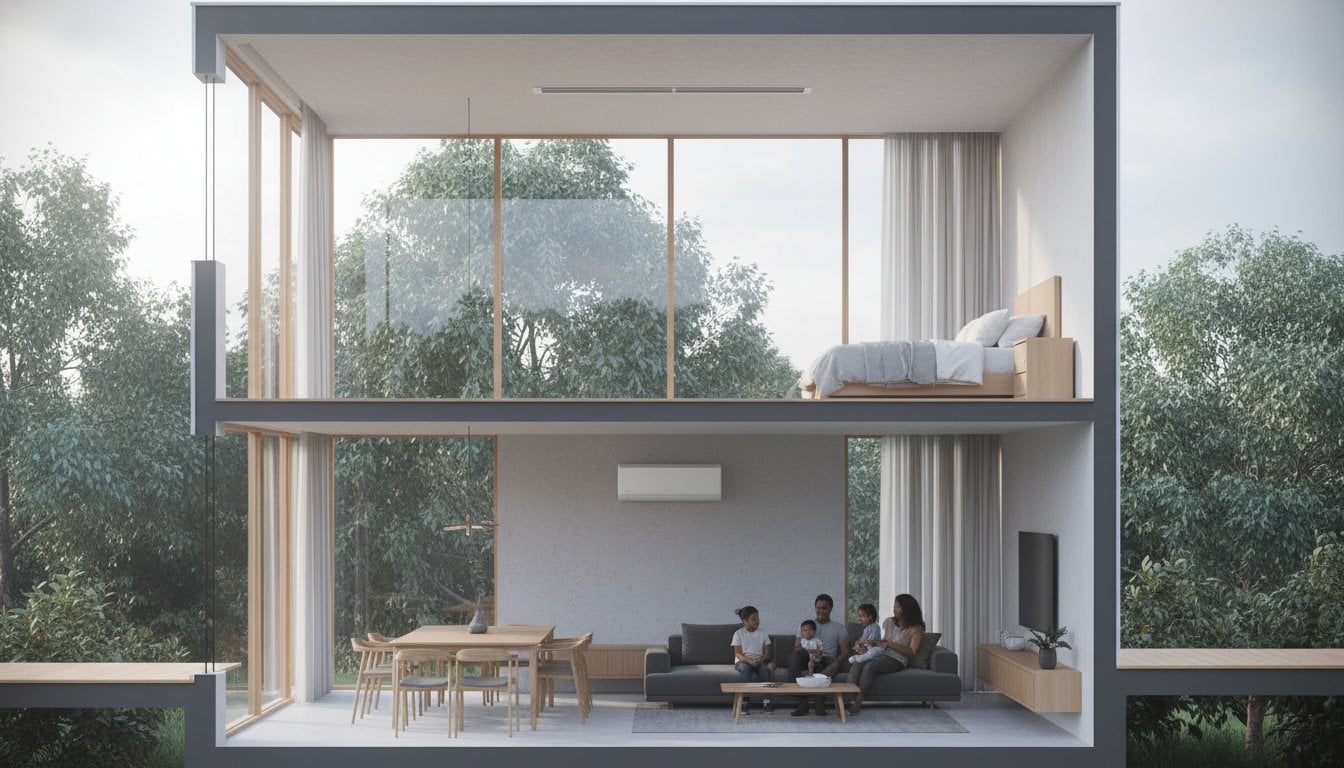
Warm air rises, so the second storey of a home will usually collect more heat throughout the day. Even when downstairs stays comfortable, warmer air moves upward and lingers on the upper level.
This is even more noticeable in homes with open stairwells or large voids, where heat can travel freely and remain trapped upstairs for longer periods.
It’s a normal part of how homes behave, but it means upstairs areas often need more targeted cooling.
Upstairs rooms sit directly below the roof, which is often the hottest surface of the home during summer. As the roof absorbs heat through the day, that warmth transfers into ceilings and upper rooms below.
Even after sunset, roof spaces can stay hot for hours. This is why upstairs bedrooms often still feel warm late into the evening, even when the outside temperature has dropped.
Homes with limited insulation or ageing roofing materials can feel this even more.
Not every upstairs room heats up the same way. Rooms with large windows or strong afternoon sun often become much hotter than shaded parts of the home.
West-facing bedrooms are a common example. By late afternoon, they’ve absorbed hours of direct sunlight and can take much longer to cool down.
Using blinds, curtains or external shading can help reduce this extra heat load before it enters the room.
Sometimes the issue isn’t the amount of cooling your system produces, but how that cooling is distributed through the house.
If too much conditioned air is going downstairs, the upper level may never receive enough airflow to catch up. Poor outlet placement, duct restrictions or incorrect balancing can all contribute to this.
That’s why some homes have one upstairs room that always feels hotter than the others.
 If you have ducted air conditioning, zoning is one of the best ways to manage upstairs heat.
Instead of cooling the whole home the same way, zoning allows you to direct cooling where it’s needed most. This could mean prioritising bedrooms in the evening, reducing airflow to unused downstairs areas, or adjusting zones throughout the day as conditions change.
This improves comfort while helping the system run more efficiently.
In some cases, the air conditioning system was never designed correctly for a two-storey layout. A setup that works in a single-level home may struggle with separate levels, different sun exposure and varying temperature loads.
That doesn’t always mean replacement is needed, but it may mean the system needs airflow adjustments, zoning improvements or a better long-term solution.
There are also a few everyday changes that can help reduce heat upstairs:
These small steps can make a noticeable difference, especially during Sydney heatwaves.
Peninsula Air helps homeowners across Sydney solve common comfort issues like hot upstairs rooms. We assess how the home holds heat, how airflow is distributed and whether the current system is working as it should.
Sometimes the fix is simple. In other homes, zoning changes or a better-designed system can make a major improvement. The goal is balanced comfort across every level of the house.
If upstairs rooms always feel hotter, you’re not imagining it and you’re not alone. Heat rise, roof load and airflow imbalance are all common causes, but they can be improved with the right setup.
If your upper level never feels as comfortable as the rest of the home, Peninsula Air can help you identify the cause and recommend the right solution.