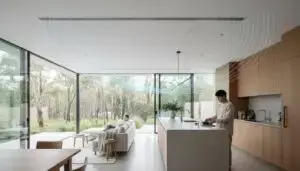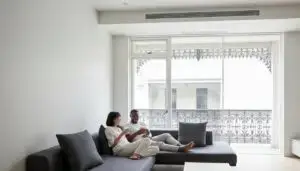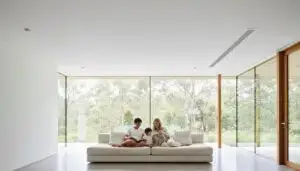
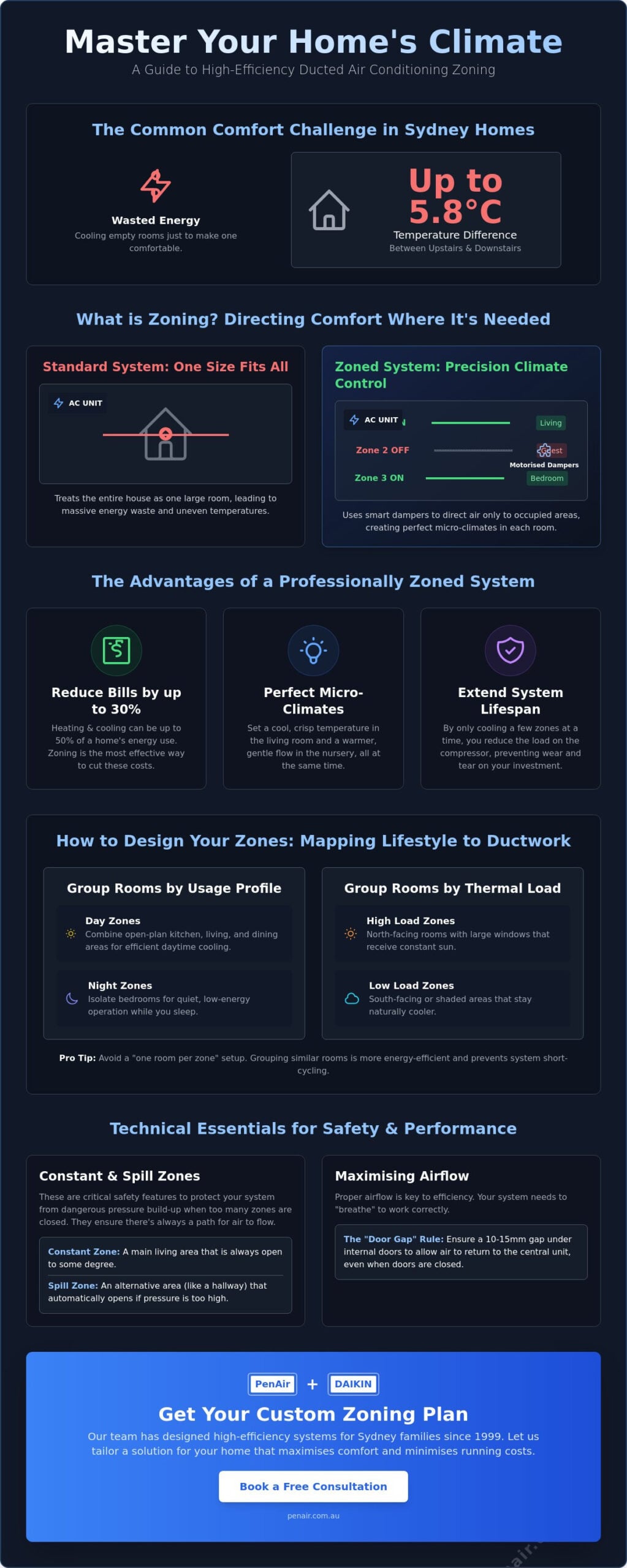
Did you know that in a multi-story Sydney home, the temperature difference between upstairs and downstairs can be as high as 5.8°C? It’s a common frustration for many of our neighbors who find themselves cooling empty guest rooms just to keep the master bedroom comfortable. Learning how to effectively zone ducted air conditioning is the most reliable way to fix this imbalance while keeping your running costs under control. With heating and cooling accounting for up to 50% of energy use in Australian households, getting your zoning right isn’t just about comfort; it’s a vital financial strategy in 2026.
We understand that the technical side of “constant zones” and “user zones” can feel overwhelming, especially with the latest NCC 2022 energy requirements now in full effect. Our team at PenAir has been helping local families since 1999, and we’ve seen how a well-designed system can reduce electricity bills by up to 30%. This guide will help you master your home’s climate by explaining how to map your lifestyle to your ductwork. We’ll explore the latest R32 refrigerant systems from Daikin and show you how to integrate smart technology for effortless, room-by-room control.
Zoning is essentially the brain of your home’s climate control. While a standard system treats your entire house as one giant room, a zoned system understands that your sunny upstairs bedrooms have different needs than your shaded downstairs living area. At its core, zoning relies on a network of motorised dampers installed within your ceiling ducts. These dampers act like traffic wardens, opening and closing to direct conditioned air exactly where it’s needed. This allows a single indoor unit to manage multiple “micro-climates” simultaneously, ensuring you don’t waste energy cooling a guest room that hasn’t been used in weeks.
When considering how to effectively zone ducted air conditioning, it’s helpful to understand that modern technology has moved far beyond simple “on or off” switches. Older systems were quite blunt; a zone was either fully open or fully closed. Today’s advanced variable airflow zoning allows for much finer adjustments. By modulating how much air enters a room, the system maintains a steady temperature without the constant cycling that wears down components. This precision is the primary reason why zoning is the most effective way to manage energy costs in larger Sydney properties.
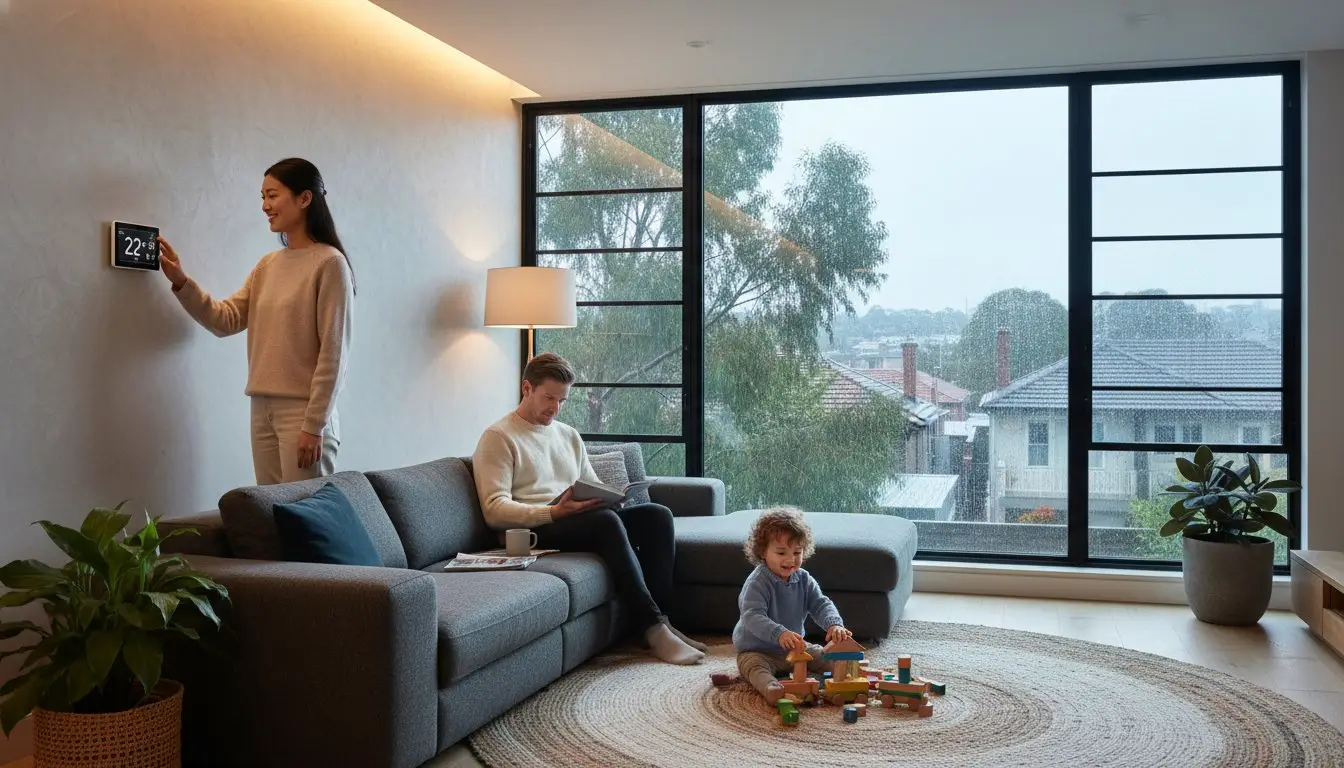
Think of motorised dampers as the “valves” of your air conditioning system. When you adjust the temperature on your wall-mounted touchpad, it sends a signal to these dampers to change their position. In multi-story homes, we often recommend using wireless sensors. These allow the system to monitor the actual temperature in specific rooms rather than just at the main controller. This level of communication is a fundamental part of modern Heating, ventilation, and air conditioning (HVAC) design, ensuring every corner of your home stays exactly how you like it.
The most immediate benefit we see for our customers is a reduction in electricity consumption by up to 30%. By focusing your cooling on occupied spaces, you’re not just saving money; you’re also extending the equipment’s lifespan by reducing the load on the Daikin compressor. It doesn’t have to work nearly as hard when it’s only servicing two zones instead of six. Beyond the numbers, it’s about personalised comfort. Your master bedroom might need a gentle, quiet flow for sleep, while a sun-drenched lounge requires a more robust output to counter the afternoon heat. Zoning makes this balance possible.
Designing a truly efficient system requires looking far beyond a basic floor plan. We start by analysing the “aspect” of your Sydney home, which is the direction your windows face. North-facing rooms receive the most consistent sunlight throughout the day, while South-facing areas often remain in deep shade. In our experience, large glass areas common in Northern Beaches coastal architecture act like giant magnifying glasses, significantly increasing the cooling demand in those specific spaces. Thermal load is the amount of heating or cooling energy needed to maintain a constant temperature. Understanding these loads is the first step in learning how to effectively zone ducted air conditioning for long-term savings.
The “Upstairs/Downstairs” challenge is another critical factor we address during the design phase. Because heat naturally rises, multi-story homes in Sydney can experience a temperature difference of up to 5.8°C between floors if the system isn’t balanced correctly. We also frequently advise against the “one room per zone” approach. While it might seem like the ultimate form of control, it often leads to system short-cycling and reduced efficiency. Grouping rooms by their usage profiles ensures your Daikin system operates within its ideal performance range while providing the comfort you expect. If you’re currently planning a renovation or new build, our team can provide a tailored design for ducted air conditioning northern beaches that accounts for these unique local factors.
We typically group rooms into “Day Zones” and “Night Zones” to mirror your family’s daily routine. The Day Zone often combines the kitchen, dining, and living areas into one larger open-plan block, which is much more efficient to cool as a single unit. The Night Zone isolates bedrooms, allowing for quiet, low-energy operation while everyone sleeps. We also consider “Specialty Zones” for home offices or media rooms. These areas need on-demand cooling that can be switched on or off independently without affecting the rest of the household’s climate.
Sydney’s intense afternoon sun dictates how we calibrate the motorised dampers in western-facing rooms. These areas often require more airflow to combat the heat soak that occurs late in the day. We also pay close attention to homes with high ceilings or architectural voids. These features increase the volume of air that needs to be moved, meaning the zoning logic must be robust enough to handle the extra capacity. By accounting for these natural elements, we ensure your system meets the strict NCC 2022 energy standards while keeping your home perfectly comfortable.
Zoning your home isn’t just a matter of convenience; it’s a critical factor in the mechanical health of your system. A common mistake we see is the assumption that you can shut off every room except one tiny study. In reality, your air conditioner’s indoor fan is designed to move a specific volume of air. If that air has nowhere to go, static pressure builds up within the ducts. This pressure can lead to “whistling” noises, duct leaks, or even premature fan motor burnout. Understanding these technical safeguards is the backbone of how to effectively zone ducted air conditioning without risking expensive repairs.
To prevent these issues, every well-designed system includes a “Constant Zone.” This is a designated area, usually the largest open-plan living space, where the damper is programmed to remain open whenever the system is running. It ensures there is always a path for the air to flow. Industry standards generally recommend having 2 to 3 zones active at any time to maintain proper pressure. For example, operating a 16kW system on 50% of its zones can save up to 46% in energy per hour, but going below that threshold without the right safety setup can cause the internal coils to freeze.
The physics of static pressure are unforgiving. When air is restricted, the fan motor has to work significantly harder to push against the resistance. We protect your investment by incorporating a “Spill Zone” mechanism. Think of this as an emergency pressure-relief valve. If the pressure in the ductwork reaches a certain limit, the system automatically “spills” excess air into a secondary area to protect the motor. We typically select a central hallway or large lounge for this purpose to ensure the extra airflow doesn’t cause a draft where you’re trying to relax.
Our team at PenAir takes a scientific approach to airflow. We calculate the “litres per second” required for each room based on its size and thermal load. This precision prevents the common problem of “hot spots” where a room feels stuffy even when the air is blowing. We also pay close attention to return air grilles. In a zoned environment, the air needs a clear path back to the indoor unit to be re-filtered and re-cooled. If internal doors are shut tight without proper return paths, the system’s efficiency drops. This is why we often discuss the “Door Gap” rule with our customers to keep the air moving freely throughout the home.
Once your system is professionally installed, the way you interact with it daily determines your actual savings. We often tell our neighbors that mastering how to effectively zone ducted air conditioning is about creating a routine that matches your household’s rhythm. For instance, a simple pre-cooling strategy can make a world of difference. Instead of blasting the unit at 18°C when you walk through the door, try zoning your main living areas 30 minutes before you arrive. This allows the system to reach a comfortable temperature gradually, which is far more efficient for the compressor.
Another practical habit is the “Door Gap” rule. While it’s tempting to shut every door to keep the cold in, your system needs to breathe. Leaving internal doors slightly ajar, just a centimetre or two, ensures that the air can circulate back to the return air grille. Without this path, the system has to work against itself, leading to uneven temperatures and increased wear on the fan motor. For long-term reliability, we recommend regular service and maintenance to ensure your damper motors remain responsive and your filters stay clear.
Modern Daikin systems offer incredible precision through the Airbase app. You can set specific “scenarios” for different days, such as a work-from-home setup that prioritises the study and kitchen while leaving the rest of the house in “Night Setback” mode. This mode is particularly useful for overnight comfort; it allows the temperature to rise or fall slightly before the system kicks back in, saving energy while you sleep. Many Sydney homeowners are now integrating their zoning with solar PV output. By scheduling your heaviest cooling zones for midday when your solar panels are at peak production, you can effectively cool your home for “free” using renewable energy.
A “cookie-cutter” zoning plan rarely works for the unique architectural styles found across Sydney. Whether you live in a multi-story modern build or a traditional cottage, your home has specific thermal needs that a generic layout simply can’t address. We’ve spent over 25 years perfecting our approach to ducted air conditioning northern beaches, ensuring every system we install is as unique as the household it serves. As an authorised Daikin Specialist Dealer, we have the technical expertise to integrate complex zoning solutions that generic installers often overlook.
Our process begins with a detailed site audit. We don’t just count rooms; we measure specific room volumes and evaluate window orientations to determine the ideal zone count for your lifestyle. This data-driven approach is the only way to master how to effectively zone ducted air conditioning for maximum efficiency. By matching the precise airflow to each room’s requirements, we ensure your Daikin system operates at its peak performance level without wasting power on unoccupied spaces.
The difference between a standard install and a professional PenAir layout lies in the precision of the damper placement. Incorrectly positioned dampers can lead to noisy operation and uneven cooling. We calibrate Daikin’s advanced inverter technology to communicate seamlessly with your zoning controllers, such as the BRC or Airbase systems. Because we’re a family-owned business, we look at your home environment through a long-term lens. We want to ensure your system is easy to manage and simple to maintain, which is why we also provide comprehensive air conditioning service sydney to keep your investment running smoothly for decades.
If your current system feels sluggish or your energy bills are rising, it might be time for a smart zoning upgrade. Many older ducted systems can be retrofitted with modern dampers and controllers to give you the room-by-room control you’ve been missing. A professional audit from our team can identify exactly why your current setup isn’t performing and provide a clear path to improvement. Our Warriewood team is ready to help you design a system that delivers peace of mind and perfect comfort. Contact us today to discuss a tailored zoning consultation for your home.
Mastering how to effectively zone ducted air conditioning is about more than just clicking a button on an app; it’s about aligning your home’s mechanical capabilities with your family’s daily lifestyle. By understanding the balance between thermal loads and the technical necessity of constant zones, you’re now equipped to enjoy a more comfortable home while keeping your running costs under control. Whether you’re managing the afternoon sun in a north-facing lounge or keeping bedrooms quiet and cool overnight, the right zoning strategy makes all the difference.
We’ve been serving our neighbors across the Northern Beaches since 1999. As a family-owned, authorised Daikin Specialist Dealer, we take pride in designing systems that stand up to the unique demands of the Sydney climate. We don’t believe in one-size-fits-all solutions. Instead, we use our local expertise to ensure your ducted system is calibrated for silent, reliable performance for years to come. Your home’s well-being is our priority, and we’re committed to providing the peace of mind that comes with expert craftsmanship.
If you’re ready to stop cooling empty rooms and start enjoying personalised comfort, we’re here to help. Request a Custom Zoning Consultation with PenAir’s Specialists today. We look forward to helping you create the perfect environment for your home.
Yes, it’s often possible to retrofit zoning to an existing system, provided your current ductwork and airflow capacity can handle the changes. Our team would need to perform a professional assessment to check if your indoor unit is compatible with modern motorised dampers and smart controllers. Retrofitting is a great way to improve comfort in older Sydney homes without replacing the entire unit.
Most Sydney homes function best with between 3 and 5 zones, though advanced systems can manage up to 8 separate areas. The ideal number depends on your home’s layout and how you use different rooms throughout the day. Having too many zones can sometimes lead to pressure issues, so we always balance the count against your system’s total capacity.
It is generally cheaper to run a single zone because modern inverter technology allows the compressor to slow down and consume less power. However, running only one very small zone can sometimes be less efficient if the unit cannot modulate low enough to match the tiny air volume. Learning how to effectively zone ducted air conditioning involves finding the “sweet spot” where your system runs at its most efficient speed.
We recommend setting living areas to 24°C in summer and 20°C in winter for the best balance of comfort and energy savings. Bedrooms are often more comfortable when set slightly cooler, around 18 to 20°C, to promote better sleep. Keeping your zones within a few degrees of each other prevents the system from working too hard to bridge a massive temperature gap.
This often happens due to a stuck damper motor or a blocked return air path. If you’ve followed the right settings but still notice a weak flow, it’s worth checking if your filters are clean or if an internal door is blocking the air’s path back to the main intake. In some cases, the ductwork may have become detached or kinked, which requires a professional repair.
You don’t strictly need a full thermostat in every room, but individual temperature sensors are highly recommended for multi-story homes. These sensors communicate with the main wall controller to ensure each zone reaches its target temperature accurately. This setup is much more effective than relying on a single central thermostat that can’t “feel” the heat in an upstairs bedroom.
Closing all zones creates high static pressure that can damage your ductwork or cause the fan motor to burn out prematurely. To prevent this, we always program a “constant zone” that stays open or install a spill zone that acts as a safety valve. Modern Daikin systems also have internal sensors that will shut the unit down if they detect the air is becoming too restricted.
The cost varies significantly based on the number of zones you want, the type of smart controllers you choose, and the complexity of your existing roof space. Because every home in our local community has a different layout, we recommend requesting a professional site audit. This allows us to provide an accurate quote based on your specific ductwork and airflow requirements rather than a generic estimate.